
Below are selected articles and recipes from Guanajuato, Hidalgo, México, Mexico City, Morelos, Puebla, Querétaro and Tlaxcala, the eight states that form the Central Highlands Region of Mexico.
To see ALL articles and recipes related to this region, please use the following individual state links:
- Guanajuato – Articles or Recipes
- Hidalgo – Articles or Recipes
- México (State of México) – Articles or Recipes
- Mexico City (formerly Mexico D.F.) – Articles or Recipes
- Morelos – Articles or Recipes
- Puebla – Articles or Recipes
- Querétaro – Articles or Recipes
- Tlaxcala – Articles or Recipes
The Central Highlands Region is centered on Mexico City and is, by far, the most densely populated region of Mexico. Despite being landlocked and at a high elevation, this region is the hub of the nation’s commercial and industrial activity. The region includes some of Mexico’s most attractive colonial architecture with a backdrop of spectacular volcanoes and forested hills, rich agricultural land, and a wealth of historical landmarks, museums, handcrafts, art, and tourist attractions.
Here are select articles and recipes related to the Central Highlands Region:
FREEDOM (poem)
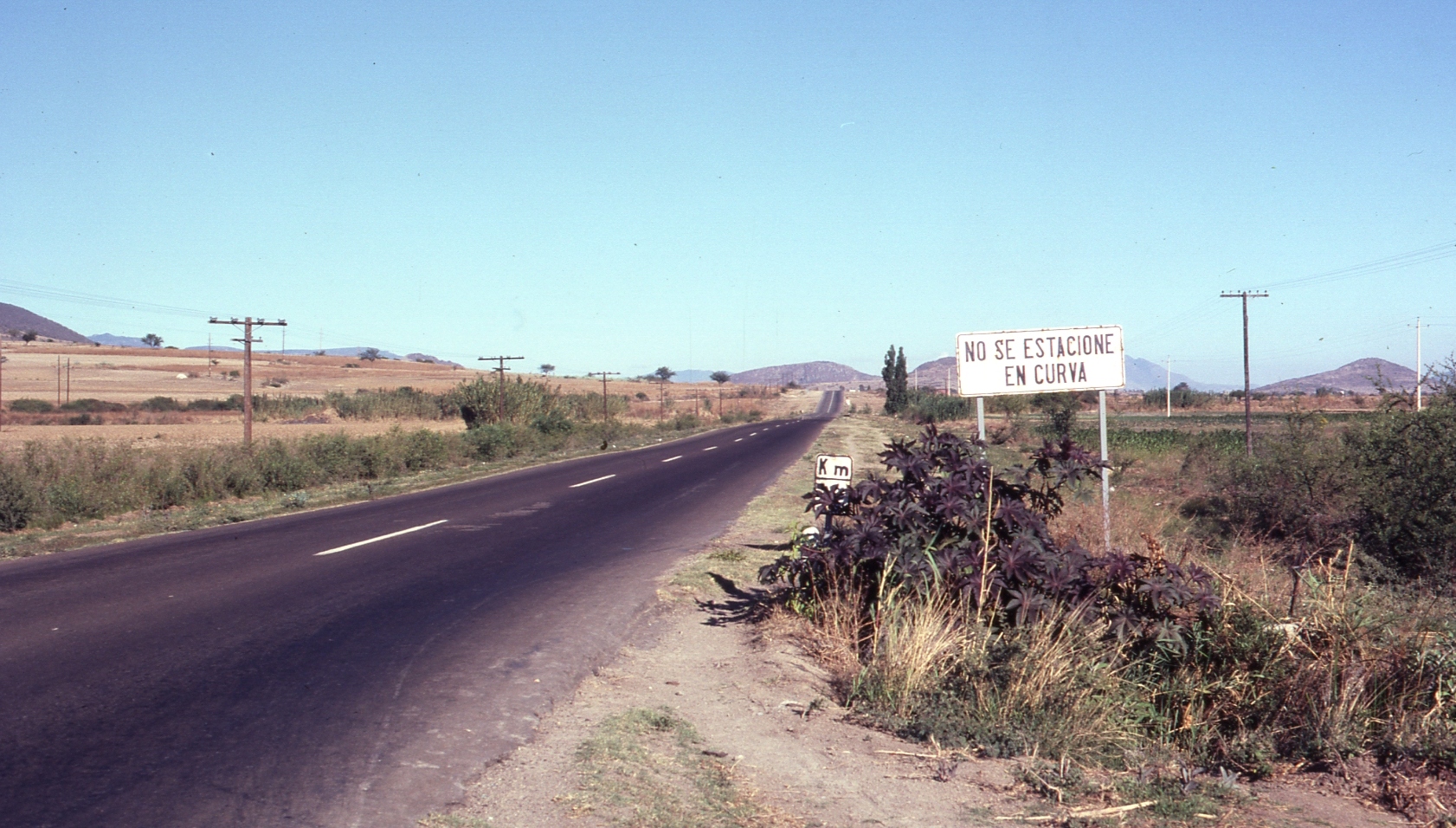
Pan American Highway near Oaxaca © Tony Burton, 1981. The Pan American Highway is a dark asphalt ribbon. To the east and west, low brown hills rise in the distance. To the south, Oaxaca. To the north, Mexico City, many miles away. It’s quiet, deserted, nothing in sight but the jeep heading across open […]
TWO WORLDS (poem)
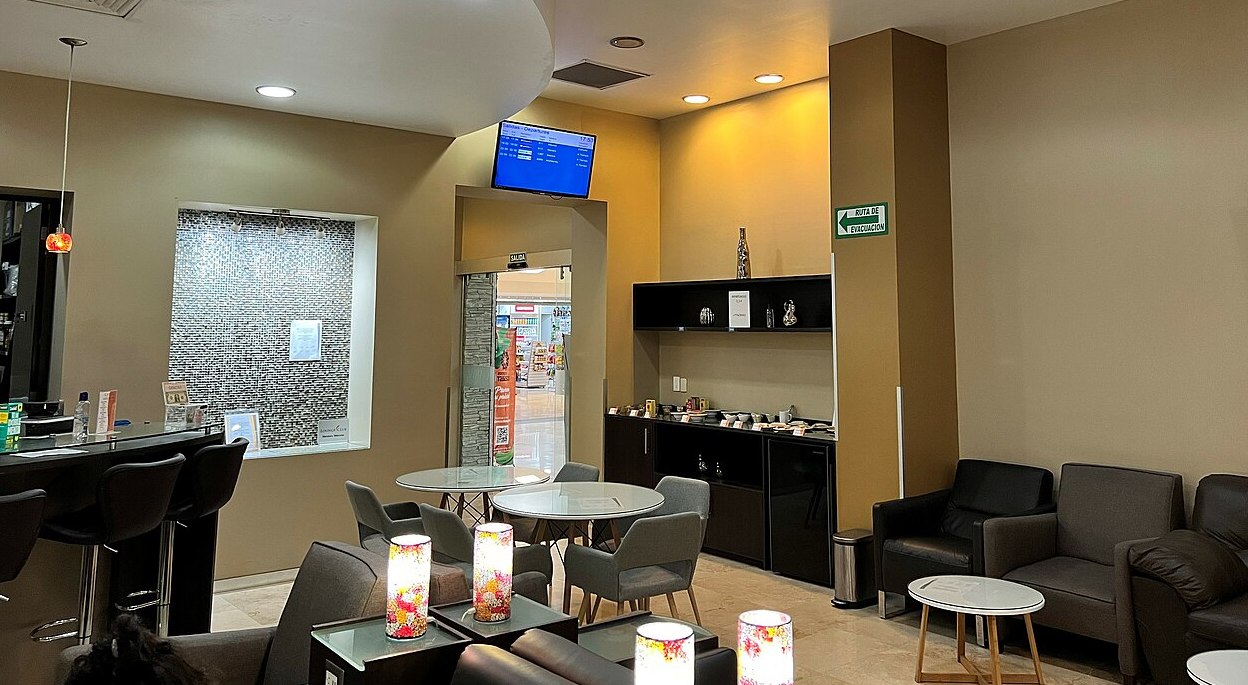
Airport Lounge (Villahermosa). Image (cropped): Vmzp85, CC BY-SA 4.0, via Wikimedia Commons The First Class lounge floats like Olympus on the second floor at Benito Juárez Airport, a discrete distance above the multitude herding like hungry cattle on the concourse below. Inside, soft leather couches surround TV monitors offering fútbol and the latest […]
MOTHER’S DAY, MEXICO CITY (poem)
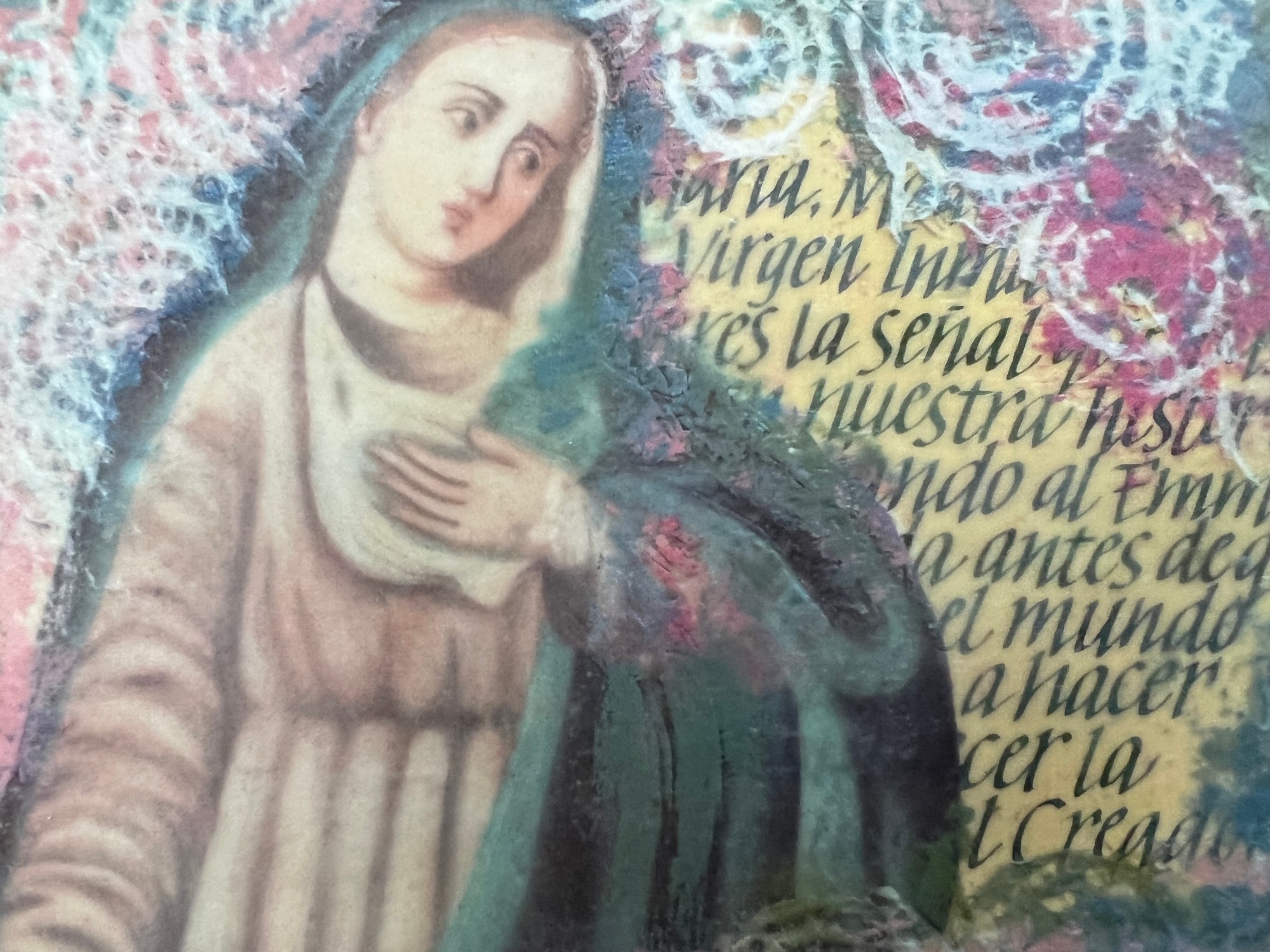
Encaustic collage with calligraphy © Thea Evensen 2024. The air is clear and cool inside the church of San Felipe Neri as a small cluster of reverent women kneel at the altar rail chanting to the Virgin in hushed voices, their supplications echoing through the vaulted nave, the smell of disinfectant and old wood […]
The History of Mexico City College and the Virtues of Studying Abroad
Many of the world’s prestigious institutions of higher education have welcomed students for centuries. The oldest established school is the University of Al-Karaouine in Fez, Morocco, founded in 859. The University of Bologna in Italy opened its doors for the first time in 1088, soon followed by the University of Oxford in the United Kingdom […]
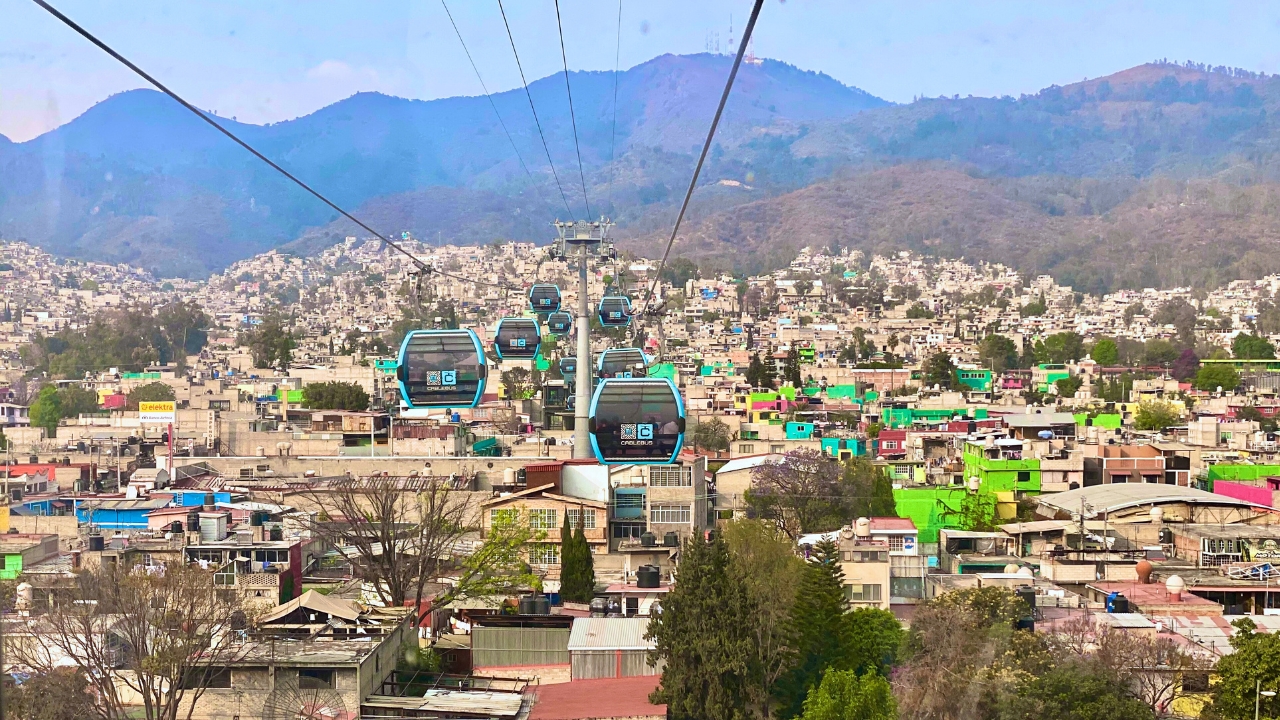
Mexico City’s CABLEBUS Connects Communities and Captivates Tourists
In 2021, Mexico City unveiled its innovative Cablebús system, a network of gondola lifts intended to revolutionize urban mobility. The project aimed to integrate historically under-served neighborhoods with the city’s sprawling public transportation network, providing a much-needed lifeline for its residents. What began as a practical solution to a logistical challenge, however, has become one […]
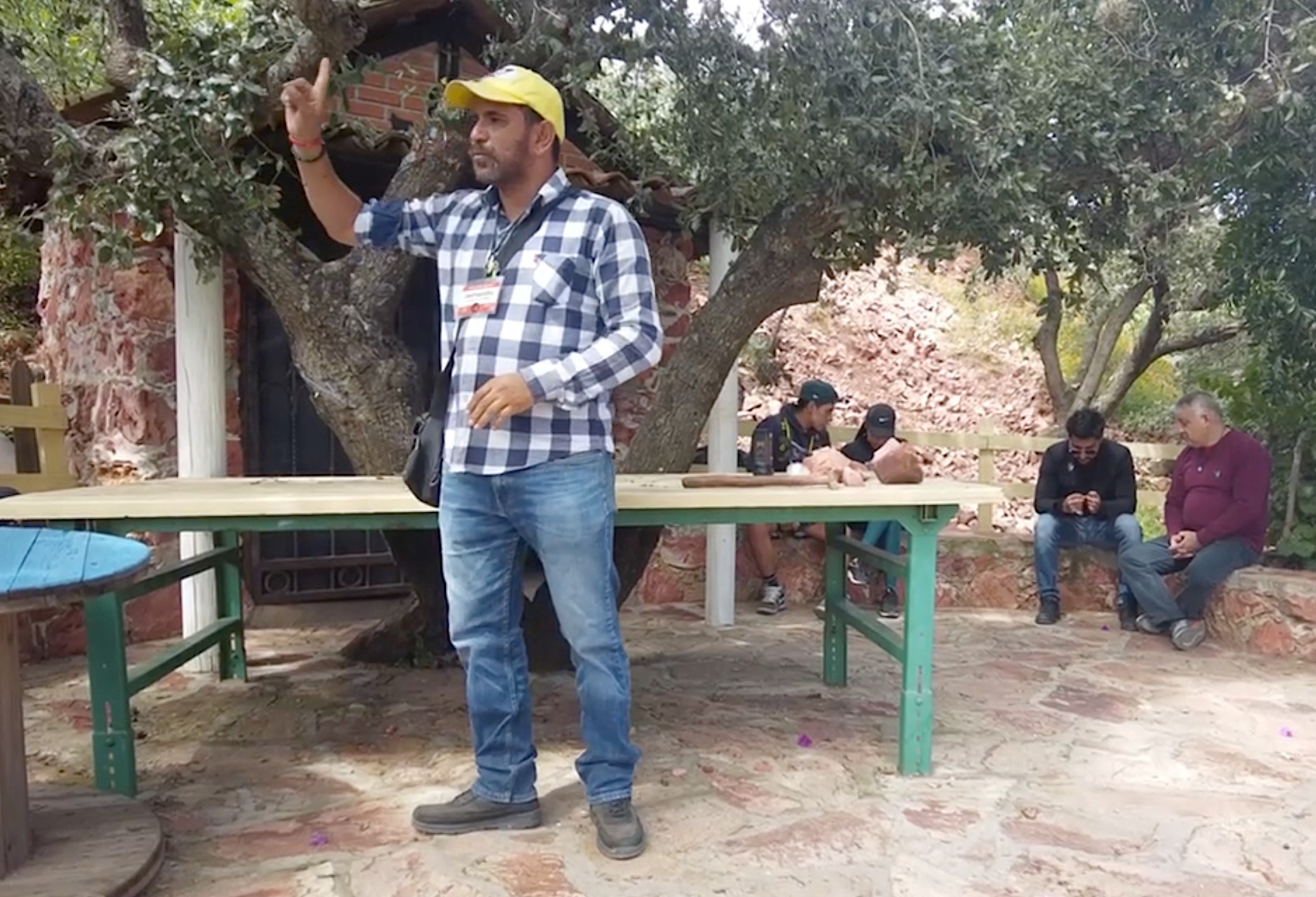
Gems of Mexico: The Opal Miners of La Trinidad, Queretaro
Twelve of us, nine humans and three small pups, chugged up the mountainside to Mina El Redentor (Redeemer Mine) in the back of a 4×4 all-terrain vehicle with double traction. The rocky, cumbersome path from the village of La Trinidad up to the mine took about 20 minutes to conquer and put my gimbal camera […]
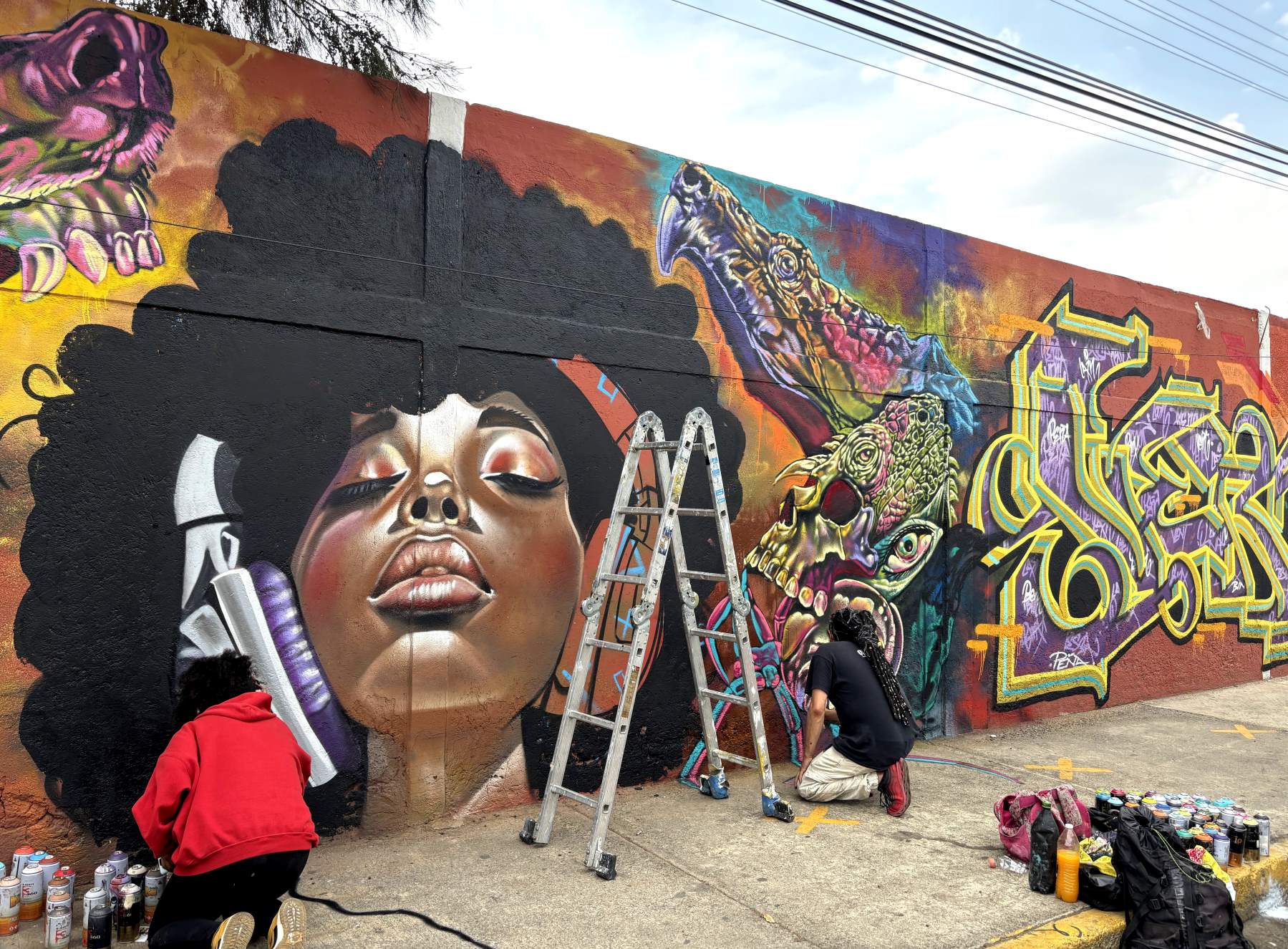
Modern street art in Mexico City: concrete walls transformed into vivid social statements
Mexico City has some of the best street/urban art murals in the world, but almost all the attention in the press is focused on work done in the center of the city. In reality, much of the best work is being done on the east side of the Mexico City Metro Area (MCMA). The muralism […]
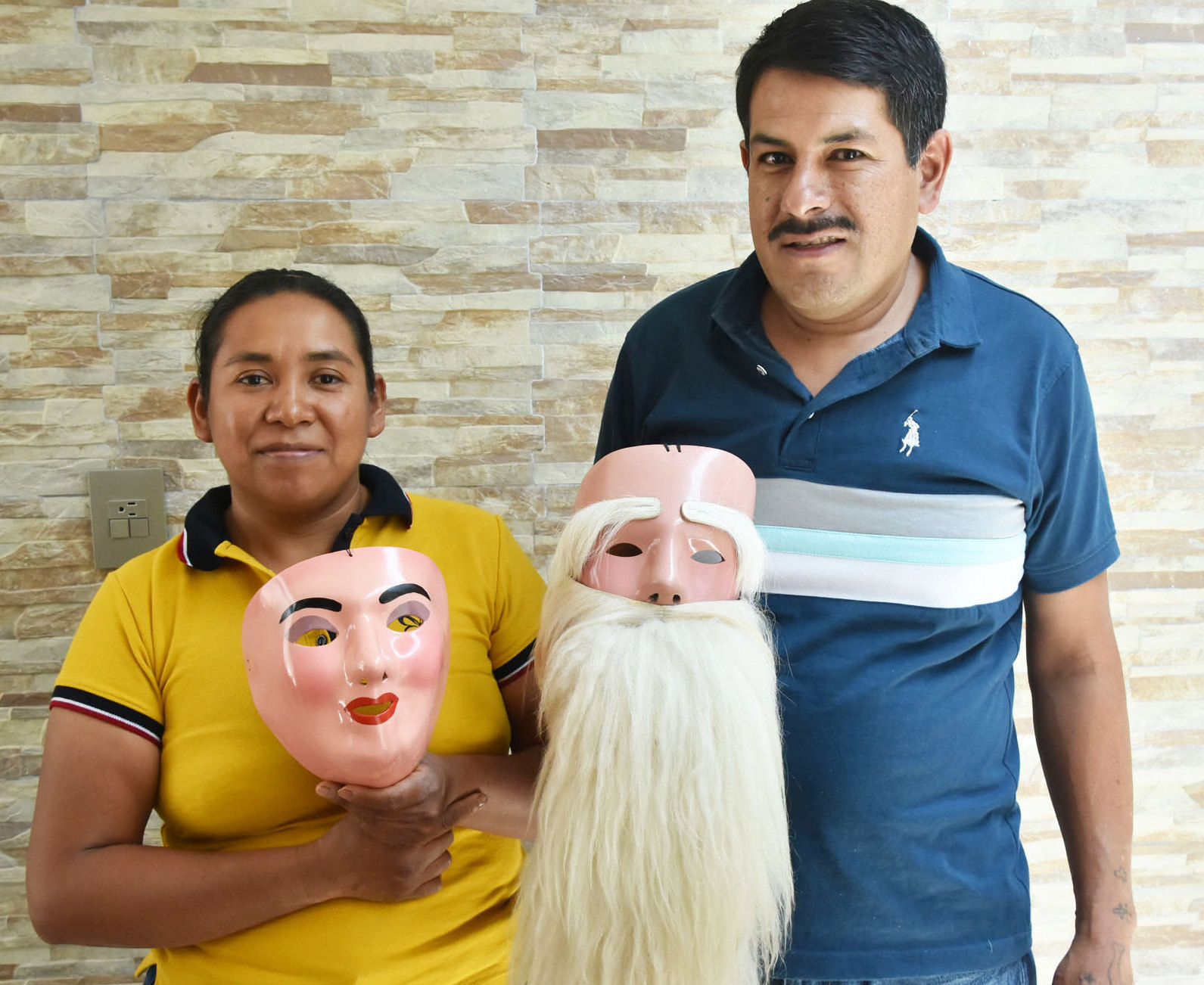
Mask making in the Magic Town of Huejotzingo, Puebla
Javier Alvarado Saloma carefully cuts a piece of leather on which he’s traced an outline using a template. “I use either cow or pig skin,” he says, as he concentrates. Cutting the leather is the first step of several needed to make a mask. Two weeks after cutting the leather, he’ll have a finished mask, […]
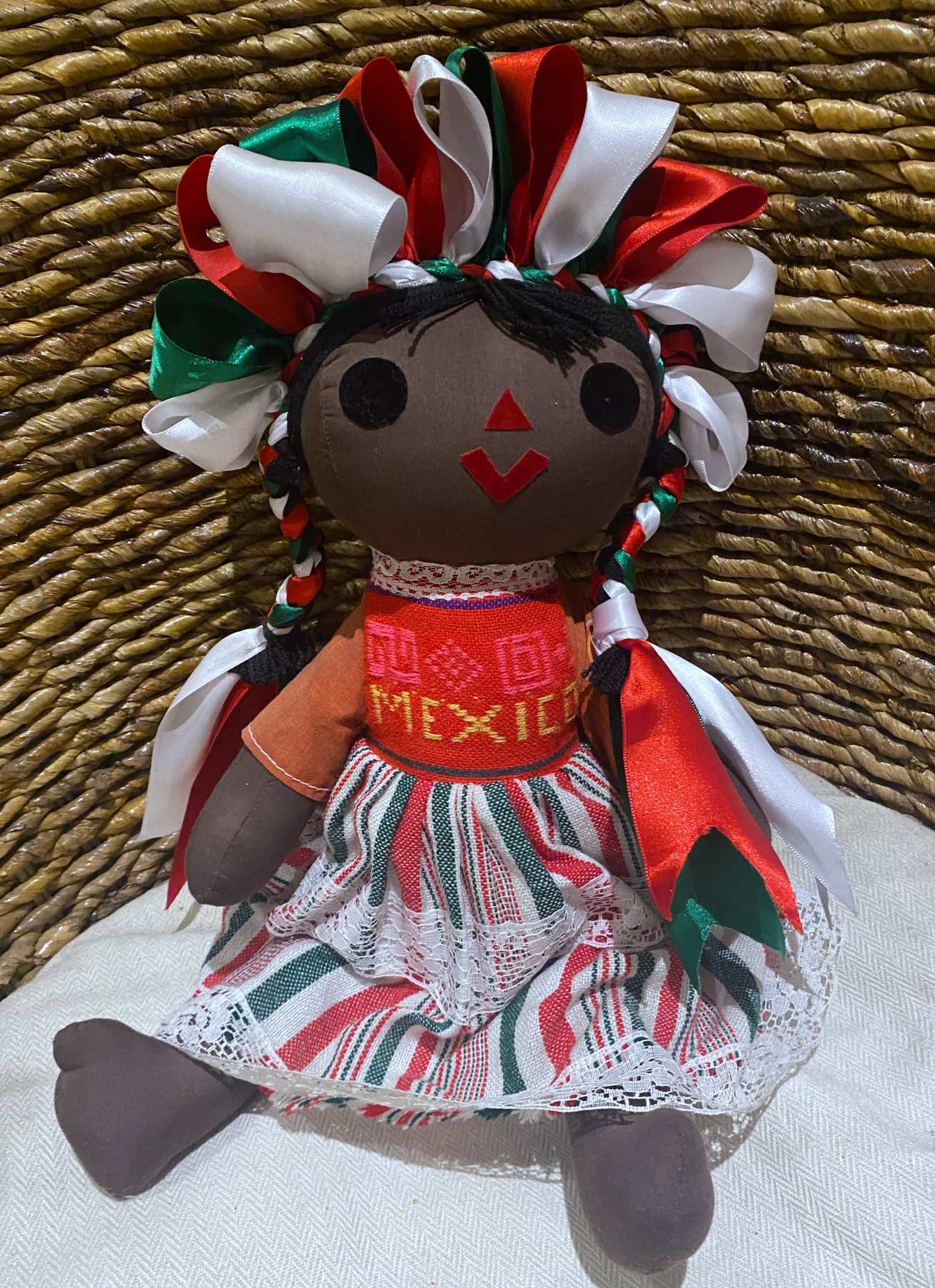
Keeping Culture Alive: The Iconic Lele Dolls of Amealco
Amealco, a scenic town in Mexico’s Querétaro state, is one of the country’s designated Pueblos Mágicos or “Magic Towns.” This distinction, awarded by the Mexican government, recognizes places that offer visitors exceptional beauty, cultural richness, and historical significance. Amealco, a reservation of Otomí indigenous culture, is where a treasured craft has been perfected over centuries. […]
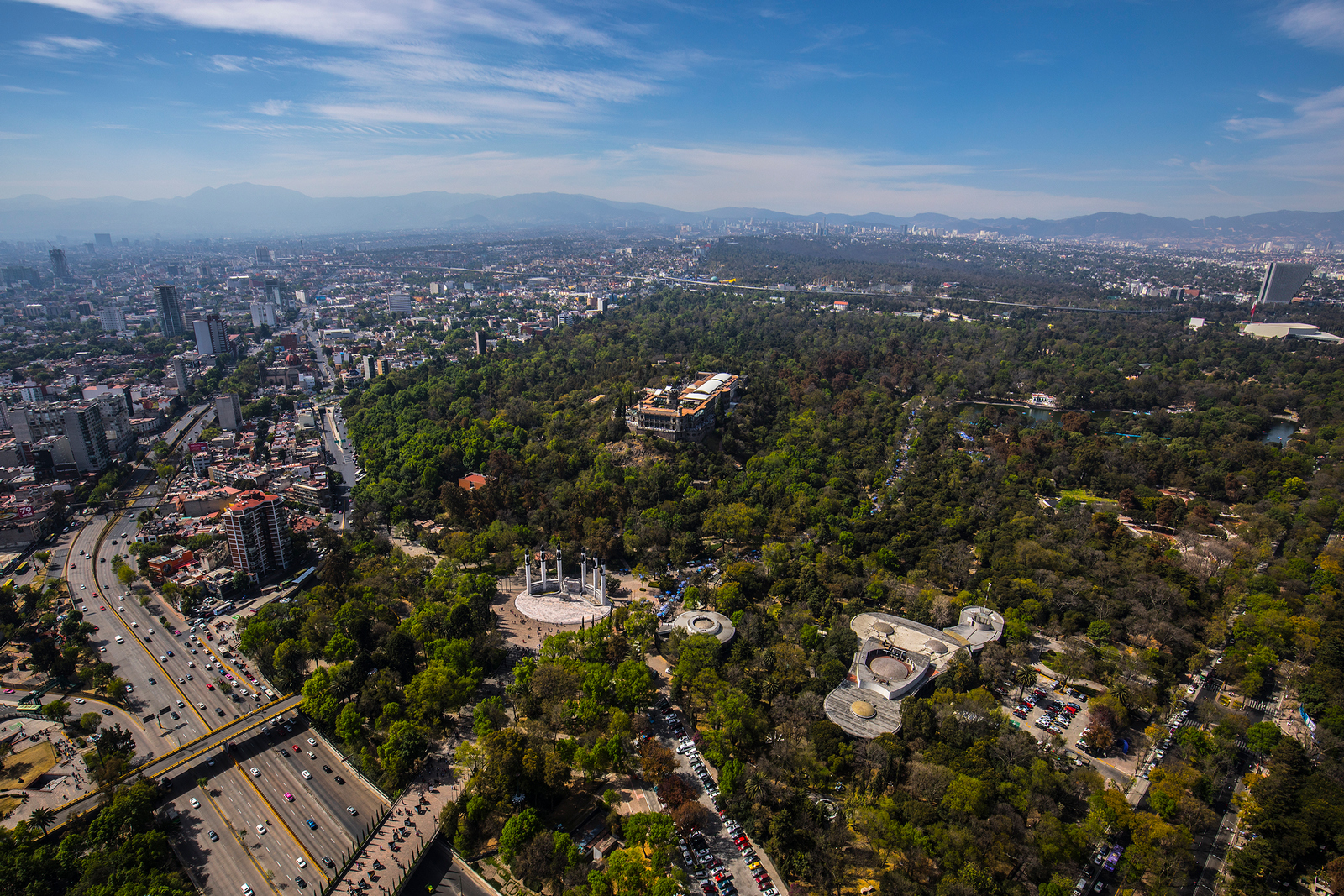
Sneak preview of updates to Mexico City’s historic Chapultepec Park
It would be hard to overstate the symbolic importance of Chapultepec Park, not only to Mexico City, but to the country as well. It has played a key role in Mexico’s history since the Mesoamerican era, with emperors and presidents eager to leave their mark on it. But its recent history also includes neglect. To […]
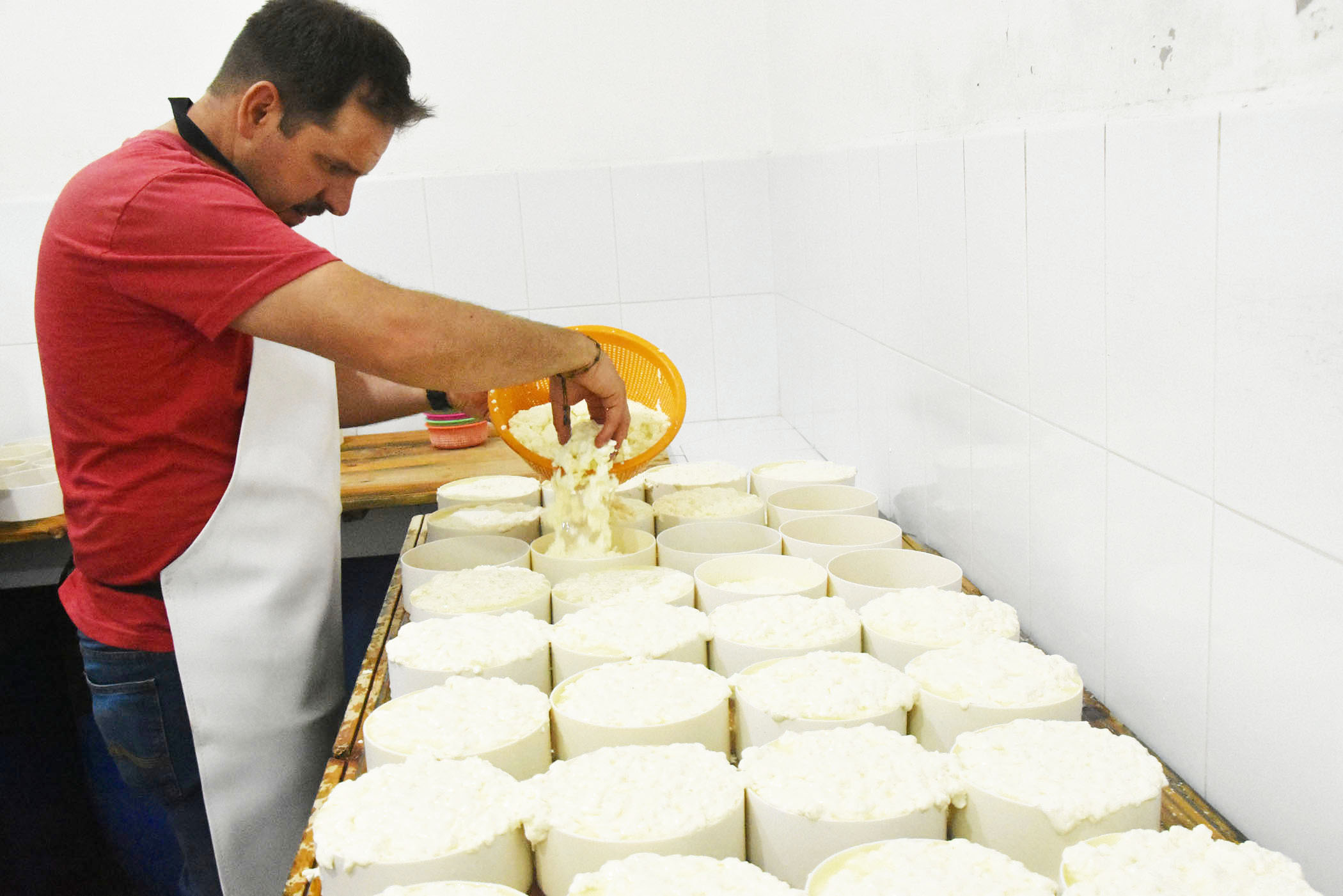
Chipilo, Puebla: an Italian town with the best Italian food in Mexico
Chipilo, Puebla is different from other Mexican pueblos. Very different. That’s because it is an Italian pueblo, settled in 1882 by Italians from Veneto, in northern Italy. In the late 1880s, the Mexican government wanted to modernize its agricultural sector and recruited Europeans. Seventy-nine families arrived in Chipilo, worked hard and eventually succeeded in establishing […]
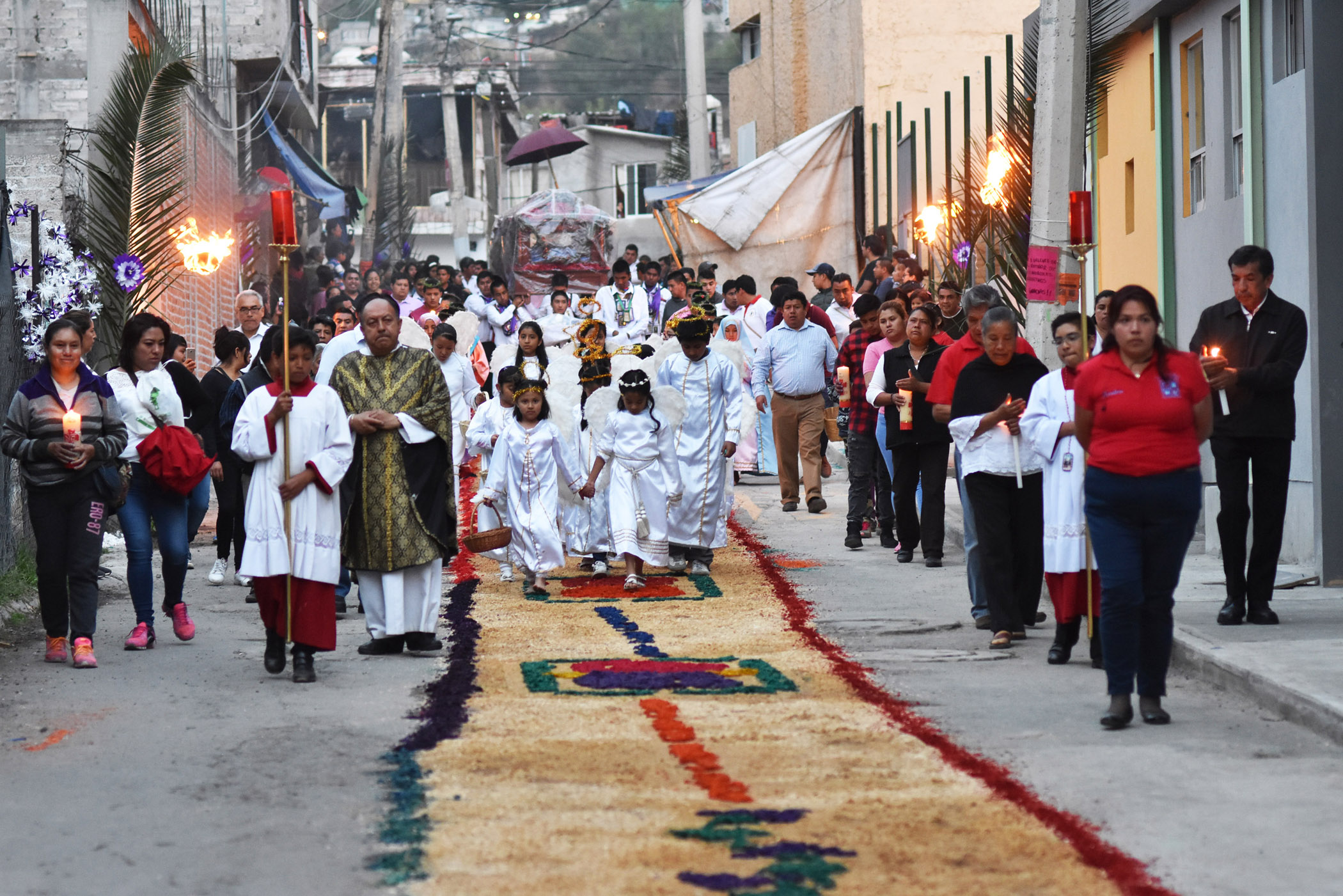
Holy Week in San Gregorio Atlapulco, Xochimilco, Mexico City
Like virtually every pueblo in Mexico, residents of San Gregorio Atlapulco (in Xochimilco, Mexico City) celebrate Semana Santa (Holy Week) with processions, extra masses and a depiction of Christ’s crucifixion. But one thing sets San Gregorio apart from other pueblos: Holy Week is run by fourteen young men known as Los Varones. There’s no group […]
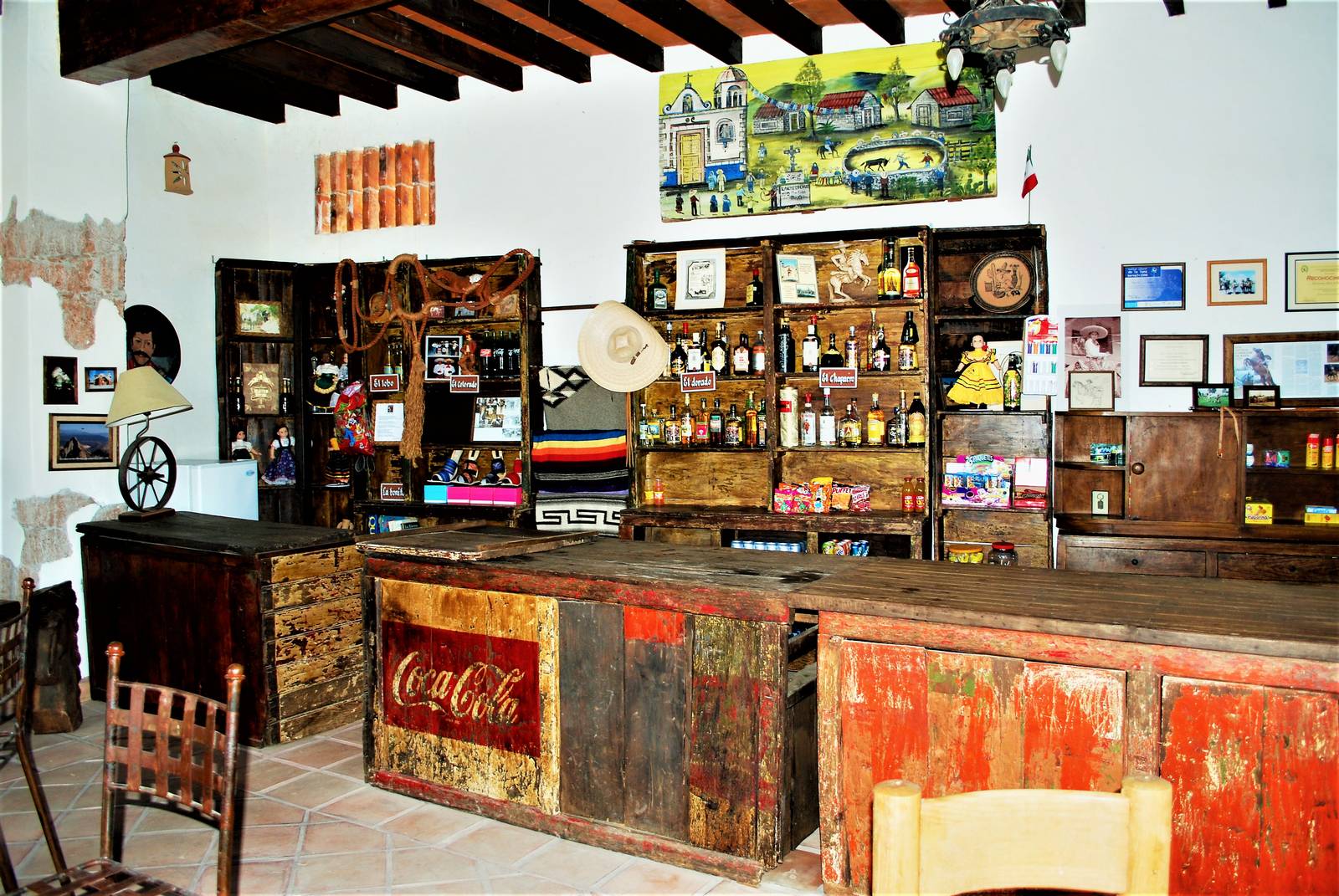
Sampling fine wines on the Querétaro Wine Trail
In a land of smokey mezcals, rompopes, single-distilled raicillas, cervezas, tequilas, and Kahlua—that thick, sweet coffee liqueur made in Veracruz whose name in Nahuatl means the house of the Acolhua people—wine would seem to scarcely merit a mention. But in the 30 miles stretching between San Juan del Río and Bernal, known as the Querétaro […]
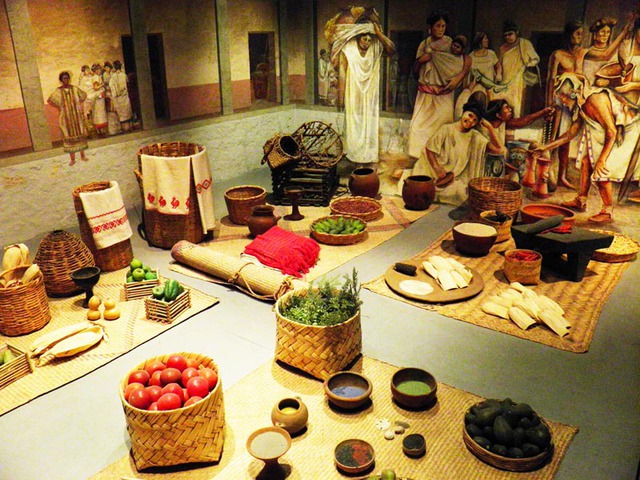
A Tale of Three Cities: Mexico City, Teotihuacan and Tenochititlan
1. Mexico City On the way to Ecuador, I took a five-day diversion to Mexico City. As souvenirs, I picked up a stomach bug and a rather extreme case of sun-burn. Neither were timetabled, but both easily gained with the correct measure of self-neglect. I was respectively supported by a high altitude that increased the […]
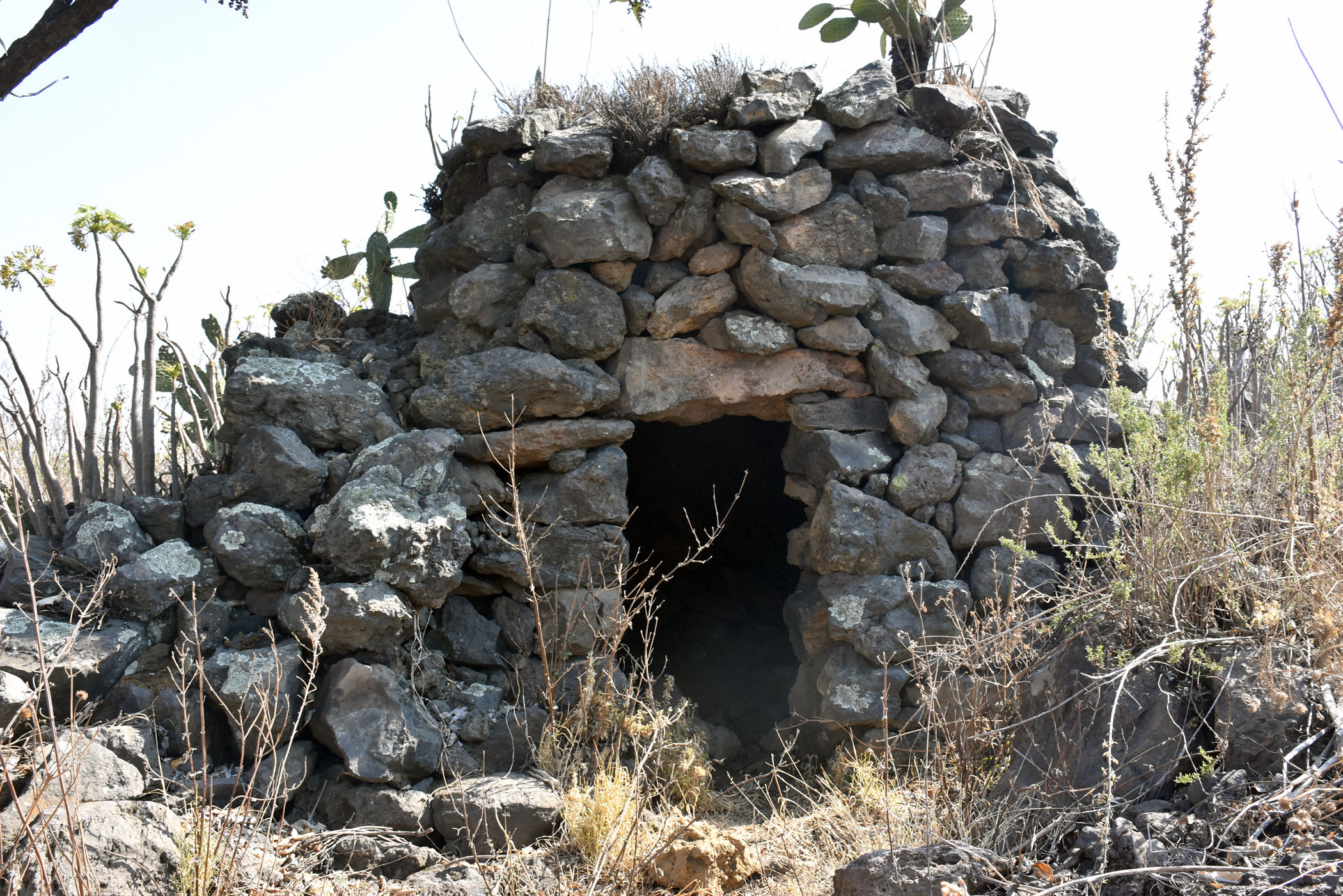
Site of sacrifice rediscovered in Mexico City: On The Trail Of Xipe Tótec
I first met one of Xipe Tótec’s priests on March 30, 2018. I know the exact date because, happily, my Nikon records the date of every photo I shoot. Me, I’m not that good at keeping accurate records. Fortunately, I didn’t actually meet the priest because Xipe Tótec was the Mexica god of, among other […]
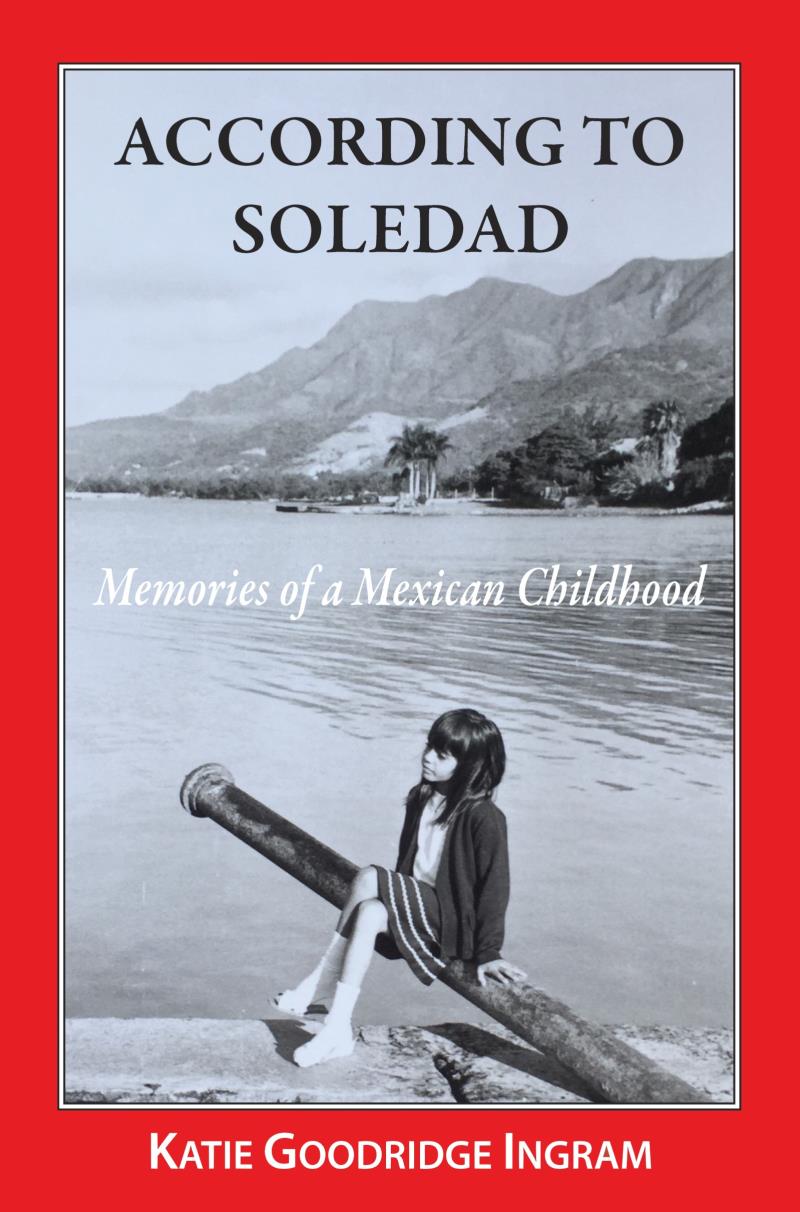
According to Soledad: memories of a Mexican childhood
Katie Goodridge Ingram’s memoir According to Soledad is a rich and sometimes dark journey into her childhood years growing up in Mexico City and Ajijic, a small fishing village in the state of Jalisco. Her earliest years are spent in an affluent sector of Mexico City with her American parents who are constantly struggling to […]
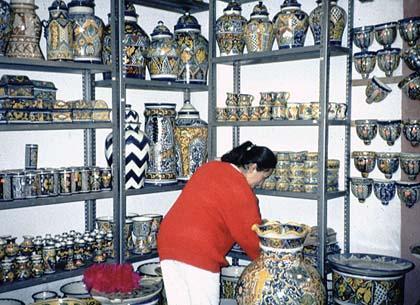
Dolores Hidalgo: Mexico’s Cradle of Independence – September 15, 1810
As you walk toward the main square from the bus terminal in Dolores Hidalgo, it’s hard to imagine the impassioned frenzy that heated this Mexican village on September 15, 1810. Here, on the balcony of his home, the town’s beloved priest, Miguel Hidalgo y Costilla, yelled “El Grito de Dolores,” the Cry of Independence. It was a cry that […]
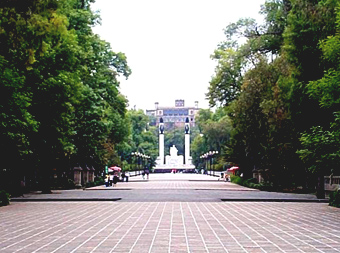
Child heroes and Mexico myths
The September 13, 1847 capture of Chapultepec Castle by U.S. Marines made a paragraph in a MexConnect listing of significant events by geographer, historian and all-around good guy Tony Burton. This was war. Fighting had reached Mexico City. Men were dying. Generals surrendered but there were numerous acts of bravery, including the celebrated stand by […]
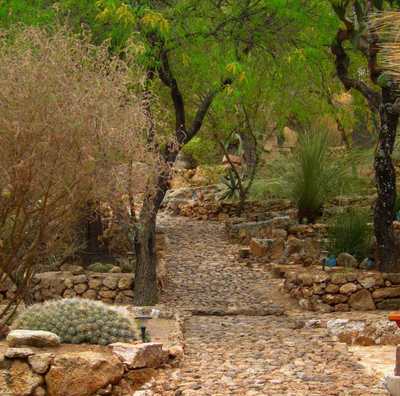
Preserving the Past: The Cactus Gardens of Cadereyta de Montes
If Mexico calls to you with its old-world beauty, its bloody but glorious history, its rich culture and the profound pride and love of life that is reflected in the faces of its people, then like me, you will never tire of searching out the country’s endless natural treasures. From the cathedrals of power to […]
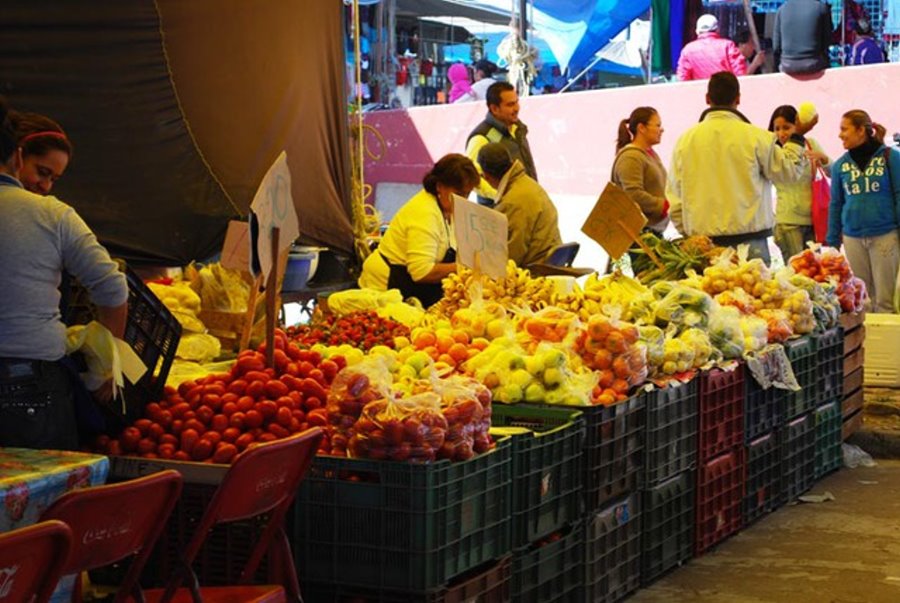
Mexican microeconomics: The Tuesday market in San Miguel de Allende
Like a shimmering mirage that lasts only until your next blink, the Tuesday Market, or tianguis, appears once a week at dawn, assembled upon a vast windswept concrete slab near the parking lot of the San Miguel municipal sports complex. Just as quickly, it evaporates after sunset. Each week, from battered pickups and vans, a hoard of […]

El Panteon: Cuernavaca’s new cemetery
In Cuernavaca, on the top of a hilly barranca, parallel to Calle Morelos on its way out of town, lies a beautiful new cemetery. A Panteon, already lush with bougainvillea and shrubbery lovingly planted on graves and crypts. Trees had been left standing, framing the natural landscaping and parading like sentinels for the dead on the upper levels of […]
Did you know? Mexico has many “Est”raordinary railway places
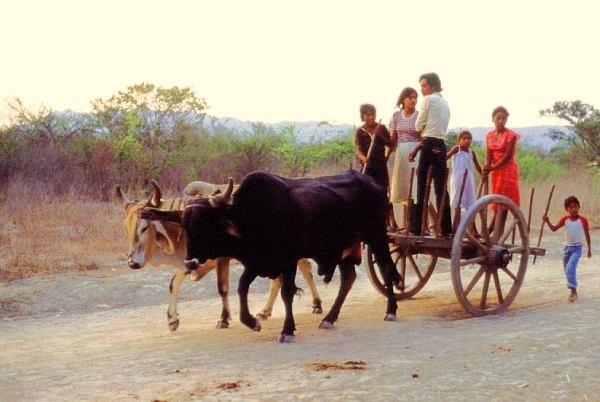
An earlier column, “Microwaves (with a view)”, examined the scenic delights to be found by following the “Microondas” road signs that puzzle many first-time visitors. That column probably didn’t appeal to any passing historians, but another road-sign abbreviation, “EST”, could easily have been invented just for them. EST stands for Estación. In some contexts, this would […]
Fried cutlet torta: Torta de milanesa
While a torta can be filled with any kind of savory sandwich filling, the beans, avocado and tomato are always present. Leave out the onion if you are not a fan, or substitute mayonnaise for the crema; some torterías use melted butter instead of crema. The milanesa is probably the most popular filling, and part of its appeal is the crunch of […]
Setas con Epazote
Setas is the general name for several kinds of wild mushrooms found in Mexico, which have different regional names, according to their colors and sizes. ( Yemas, duraznitos, morillas, and pambazos are just a few of the names for wild mushrooms found in Mexican markets.) In Tlaxcala, they are grown commercially for sale in large markets and supermarkets, eliminating the […]
Grilled marinated chicken breasts: Pollo atlixquense
“Melting pot” cooking has given rise to innumerable ethnic grocery stores in the United States, and for people who enjoy cooking authentic Mexican food, this means that ingredients are easily available. Dried avocado leaves, essential to several Mixteca recipes, are sold in just about any Mexican grocery store. These are from the native Mexican avocado, Peresea […]
Puebla style sandwiches: Cemitas
A few years ago, I had a call from Rachel Wharton, a writer for the New York Daily News food section. She was writing an article on cemitas, the latest sandwich craze to hit New York at the time, thanks to the many immigrants from Puebla who have contributed enormously to the wonderful street food culture of my home […]
San Miguel de Allende: More than a travel destination
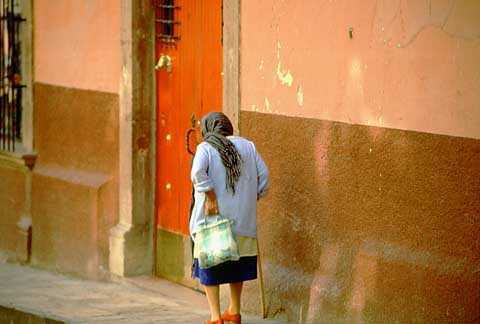
Photographs by Bill Begalke Last year, Conde Nast Traveler listed the colonial city of San Miguel de Allende (SMA) as the 7th best travel destination in the entire world! In my book, it’s NUMBER 1. It’s also more than a travel destination. It’s where I live. SMA is a small city of about 90,000, located […]
Traditional Mexican cooking school in Tlaxcala: An interview with recipes
September is back-to-school time, so what more fitting topic for this month’s Mexico Kitchen column than a Mexican cooking school? One of the questions most frequently asked by readers concerns the availability of cooking classes here in Mexico. While several cooking schools exist in Mexico City, the best and most authentic regional cuisines are passed […]
Mushrooms in vinaigrette: Hongos en escabeche
Wild mushrooms are found in abundance in the states of Puebla, Tlaxcala and Estado de Mexico during and after the rainy season, and used in soups, quesadillas and vegetable dishes. Although the comadre used escobetas (coral mushrooms) the following recipe may be successfully prepared using fresh cultivated mushrooms. Ingredients 2 pounds fresh mushrooms (if using button mushrooms, […]
The comadre and her sixteen children, or how I started cooking Mexican food
I first met the comadre through a colleague of mine at the University of Puebla, Mexico. I was in the habit of bringing meat loaf, mashed potatoes, and other “gringo food” that the professor’s elderly American father missed, to his house in Cholula, the small town where we both lived, and where the comadre worked as his housekeeper. She […]
Chile Seed Pipian: Pipián de Semillas de Chile
It is customary for Mexican cooks to save the seeds they remove from dried chiles and store them, mixing several varieties in the same jar. This traditional recipe from El Bajio restaurant in Mexico City may be made with either boneless pork leg or beef shanks. Ingredients: 2 pounds cut-up boneless pork leg or beef […]
Mexican trout with sesame seeds in parchment paper: Trucha empapelada con ajonjoli
The Mexican trout farms in the mountains outside Atlixco have open air restaurants that are crowded with families getting out of the city on weekends. The menus feature trucha empapelada, or en papillote, with a variety of seasonings. This version of Mexican trout with sesame seeds in parchment paper is delicious and unusual. Ingredients 4 whole small […]
Cornish Meat Pies: Pasteles de Carne
Although undoubtedly made without chile in their native Cornwall, these tasty, filling meat pies have been mexicanized in translation, usually with the addition of serrano chiles, either canned in vinaigrette or fresh. Some cooks incorporate cream cheese into the dough, but the filling is so rich, the pastes do nicely without the extra fat and calories. Ingredients: […]

Life translated to art: the works of Mexican painter Mara Odette
“I like to see the human body as the work of my Higher Power, who I choose to call God,” says artist Mara Odette. “I not only like to paint nudes, but also faces and gestures because the expressions in a face or in a body tell a lot more than words.” An attentive observer, […]
Kebe Cruda
No había comido carne cruda desde que vivía en Nueva York. No me gustaba la carne tártara que mi padre ordenaba. Pero recientemente probé este platillo de Puebla. La adición de semillas de chile frescas le da otra dimensión de sabor, y el jalapeño picado, cebolla y hierbabuena lo hacen aún mejor. Asegúrese de usar […]
Mexican-Lebanese Lamb Tartare: Kebe Cruda
I had not eaten raw meat since I was growing up in New York, saying “yuck” to my father’s order of steak tartare, until I tried this dish in Puebla recently. The addition of fresh chile seeds gives it a whole other dimension of flavor, and the chopped jalapeños, onions and mint take it over […]
Kebe Charola
En esta receta, la cazuela en la que se hornea el kebe es poco profunda como una charola. El platillo es similar a un rollo de carne hecho de carne de cordero. Su capa exterior forma una corteza para sostener el relleno de carne y piñones. También se sirve con jocoque, para el cual un […]
Mole Poblano de Guajolote
Existen probablemente tantas recetas para este platillo como lo hay cocineras en Puebla, donde es indispensable en las fiestas de boda. Durante el festival del mole poblano en Puebla, el cual se celebra por tres días consecutivos en julio, las recetas del mole poblano y las tradicionales mesas poblanas son calificadas. Ingredientes Para el pavo: […]
Garbanzo soup with saffron: Garbanzos en amarillo
This thick soup is almost a stew, and makes a very satisfying vegetarian meal. It contains the orange sweet potato, grown in abundance in Querétaro, which the Center for Science in the Public Interest has named the most nutritious vegetable. If you don’t care for chile, don’t let that stop you from enjoying this soup, […]
A yearly culinary ritual: La matanza
Beginning in mid-October, and lasting for a month, a five-hundred-year-old ritual encompassing history, tradition and cuisine takes place in the valley of Tehuacan, in the Mixteca Poblana region of southern Puebla. Traveling through this rocky, hardscrabble land, one wonders how the inhabitants have sustained themselves for thousands of years and marvels at the fact that […]
Mexican chicken and allspice stew: Chilpozontle
A specialty of the Puebla mountain town of Zacapoaxtla, this Mexican dish uses allspice leaves as well as berries in a savory chicken stew. If you can’t get allspice leaves, fresh bay leaves work well. In fact, allspice leaves are sometimes called “Jamaican bay leaves.” Ingredients 1 chicken, cut into serving pieces 1medium onion, cut […]
Harvest cornpatch soup: Sopa de milpa
Milpa means “cornfield,” and this soup incorporates not only corn, but a medley of other Tlaxcalan produce abundant at this time of year. Although fresh nopales are preferable, they are available canned in north-of-the-border supermarkets. This can be served as a first course at dinner, or makes an ideal autumn lunch or light supper, accompanied by a salad […]

Mexican-style rabbit in red pipian with wild mushrooms: Pipian rojo con conejo y hongos silvestres
I taught this in a cooking class I gave last summer in Cuetzalan, Puebla, where I tried to incorporate two of the area’s signature ingredients, allspice and wild mushrooms, with rabbit, commonly eaten in Central Mexico since pre-Hispanic times. This Mexican-style dish combines the meat with wild mushrooms and a red pipian sauce based on […]
Baked Kibbeh: Kebe Charola
Charola is the Spanish word for a tray or, in this case, the pan in which the kibbeh is baked. It is something like a meat loaf made with lamb, with the outer layers forming a crust to hold the meat and pine nut filling. It is always served with jocoque, for which a thick, natural yogurt is […]
Stewed pork with chipotle on tostadas: Tinga poblana
Tinga is a basically a stewed pork dish, cooked with a chipotle sauce and most commonly served on tostadas. A chipotle is a dried jalapeño with a wonderful, smokey flavor. The chipotles called for in this recipe, called chipotles adobados are canned and can be found anywhere from Michoacan to Michigan. This is a good dish to make ahead and then provide garnishes to […]
Making merry in May: Mexico’s National Cheese and Wine Festival
To the north and west of Mexico City lies the region known as El Bajío, often called “Mexico’s breadbasket.” This rugged, high plateau bears a distinct resemblance to central Spain, home of its original settlers. Religious and hard working, they preserved many of the Spanish cultural and culinary traditions, and this part of Mexico is […]
Mexican huazontle croquettes: Tortitas de huazontle
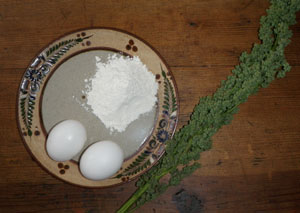
I had these for the first time at Las Cazuelas de Tlaxcala, a restaurant in Tlaxcala with really authentic Central Mexican cuisine. They can be served with a simple tomato sauce or with a pasilla or tomatillo sauce. Ingredients 1 pound huazontle bud clusters (the tops, with stems and leaves removed) 1 pound rice, cooked and allowed to cool […]
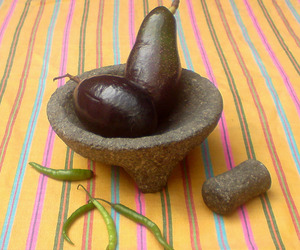
Culinary travel in the Mixteca Poblana: The avocado route
Traveling through the Sierra Mixteca, which we have done many times on our drives from Puebla to Oaxaca, I am always reminded of the story of “stone soup:” a meal is prepared starting with just a stone in a pot of water, which becomes a tasty supper after all the people of a village have […]
Lasagna with Poblano Chiles In Cream: Lasagna con Rajas de Chile Poblano
We first saw this in a restaurant in Chipilo. If you like lasagna with white sauces, this one is a delicious change from the usual. The filling is the very Pueblan rajas con crema, poblano chile strips in cream, in this case thickened to form a béchamel sauce. If you use the no-boil lasagna noodles, a good […]
Goat and vegetable mole: Mole de caderas
Every year pamphlets explaining the origins of this dish, along with a list of ingredients, are distributed in Tehuacan’s restaurants by the city’s Gastronomic Council, an association of restaurant owners formed to promote local cuisine. If you live in a place where goat meat is available, this is worth trying. The proportions come from La Cocina […]
Sweet Potato Pudding: Budín de Camote
I first tasted this dish several years ago, prepared by Doña Gloria of the Hotel Bar Reforma in Cholula. It was the first time I had seen the purple-fleshed variety of sweet potatoes other than in their raw state in the market. It made for a dramatically colorful presentation, although it is just as good […]
Puebla style eggnog: Rompope
This beverage was first made by the colonial-era nuns at the Convent of Santa Clara in Puebla, and the Santa Clara brand is still one of the most popular. It is fun and very easy to make at home. Unlike north-of-the-border eggnog, rompope already contains alcohol, although in a small proportion, so it does not […]
Hidalgo Style Fava Bean Soup: Caldo de Habas Estilo de Hidalgo
Although fresh fava beans appear only in springtime in the markets of Central Mexico, the dried versions are available throughout the year and cook much more quickly than other dried beans. I gave a recipe for a Puebla style fava bean soup in the November 2003 issue of Mexico Connect, but this one differs in its use […]
Fish in red pipian: Pescado en pipian rojo
The mountains of northern Puebla and Veracruz are blessed with an abundance of freshwater fish. The combination of fish and pipian is unusual but delicious, and any firm fleshed white fish can be used in this recipe. Use more or less chile seeds, according to taste. Ingredients For the fish: 2 quarts water 2 pounds firm white […]
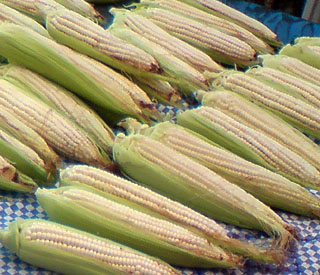
Fresh corn pozole from southern Puebla: Elopozole de Tierra Caliente
In the northern and central parts of the state, southern Puebla is called ” tierra caliente” — hot land — although it can get chilly in winter, especially in the mountains. Most pozole is made with hominy-like corn kernels that have been dried then soaked, but this one is made with fresh corn, called elote, thus giving rise […]
Stuffed Grape Leaves: Tacos de Parra
In Puebla, these are most often served as small, finger-size rolls, in which case they are referred to as taquitos. Grape leaves usually come in a jar, packed in brine, and must be thoroughly rinsed before cooking. Cabbage leaves are sometimes used instead of grape leaves, making tacos de col. Ground beef may be substituted for the lamb. Ingredients: […]
Pork in Green Pipian: Puerco en Pipián Verde
After poultry, pork is the most popular meat to serve in pipián sauces, and goes particularly well with green pipián, where the fresh green chiles and herbs counterbalance the richness of pork. Made with vegetable broth instead of meat or poultry broth, pipián verde makes a good vegetarian dish. Cut into large chunks and cooked in broth or roasted in the […]
A Meal in a Sandwich: Tortas, Cemitas, Pambazos
For months after we moved to Mexico several years ago, my favorite place to eat here in Cholula was a hole-in-the-wall tortería called Tortas Alex. Although a Mexican torta goes far beyond what is normally described as a sandwich – it was something delicious, satisfying and comforting when we needed it most. This was long before tortas […]
Puebla-style turkey in mole: Mole poblano de guajolote
There are probably as many recipes for turkey in mole as there are cooks in Puebla, where it is indispensable at wedding fiestas. During Puebla’s Festival de Mole Poblano, which is held for three consecutive Sundays in July, mole poblano recipes and traditional poblano table settings are judged. Ingredients For the turkey: 1 8-pound turkey or 2 large chickens, cut in serving […]
Caldo de habas vegetariano
Aunque las habas frescas solo aparecen en los mercados del centro de México durante la primavera, la versión seca está disponible todo el año y se cuece en menos tiempo que otros frijoles secos. Publiqué una receta para sopa de habas al estilo de Puebla en la edición de noviembre del 2003 de México Connect, […]
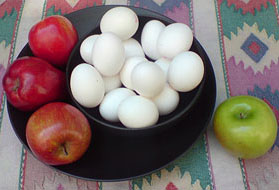
Sauteed apples and eggs: Huevos zacatlantecos
After the Virgen de la Asuncion has been raised up from her bed of apples, a little bit every hour throughout the night, the faithful make their way home in the wee hours with bags of apples from her bed. This apple and egg dish is a traditional breakfast at this time of year. Ingredients […]
Stuffed Nopales: Huaraches
These were first served to us at the nopal fair in Tlaxcalancingo, Puebla. I have since had them in restaurants in Mexico City. They are aptly named for the flat soles of the country people’s sandals that they resemble. Ingredients: 6 large nopal cactus paddles, cleaned 1/4 medium white onion 1 large garlic clove, peeled […]
Enchiladas with buttermilk sauce: Enchiladas de jocoque
Enchiladas with cream sauces are popular in Querétaro, and these use the thick Mexican buttermilk called jocoque, introduced by Mexico’s many Lebanese immigrants. A mixture of regular buttermilk (which is much thinner than jocoque) and Mexican crema, crême fraiche or sour cream makes a good substitute. Ingredients For the green salsa: 1 pound tomatillos, husked 1 medium white onion, coarsely […]
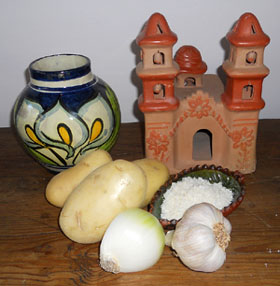
Did You Know? A fungus from Mexico and the Irish potato famine
There wouldn’t be many Irish people in the United States if it wasn’t for a Mexican fungus. The census of 1841 in Ireland recorded a population of about 8 million. This figure was a staggering 300% more than sixty years earlier. The staple Irish food at that time was the humble potato and Ireland’s rapid […]
Immigrant Cooking In Mexico – Part Two: The Italians of Chipilo
The previous column on immigrant cooking in Mexico dealt with the Mennonites of Chihuahua, a group that brought Northern and Eastern European culinary traditions to their new country. A far different cuisine came with the Italians, who largely migrated during the Porfiriato, in the last part of the 19th century. The great wave of migration from Europe during the […]
Mexican Queretaro-style lentil soup with nopales: Sopa de lentejas con nopales estilo Queretaro
This recipe, adapted from Diana Kennedy’s The Essential Cuisines of Mexico, contains the characteristically Mexican ingredients nopales, fresh green chiles and cilantro. Ingredients ½ cup brown lentils, rinsed 6 cups water ½ pound nopal cactus paddles, cleaned and diced salt to taste 1 large green onion, quartered ½ pound tomatoes, chopped 2 cloves garlic, chopped 2 tablespoons […]
Immigrant Cooking in Mexico Part 3: The Lebanese of Puebla
From Cholula to Chicago, taco lovers everywhere know that any taqueria that calls itself poblana, or “from Puebla,” will have tacos arabes on the menu. But not everyone knows that this regional specialty of meat roasted on a vertical spit and served in the thick, pita bread-like wheat tortilla called pan arabe is a prime example of the Mexican- Lebanese culinary fusion that […]
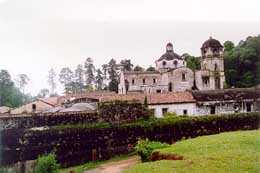
Monastic getaway from Mexico City: El Carmen de Tenancingo
Let’s face it. Escaping Mexico City can be a great thing. Now more than ever. So much so that one would think that this unrestrained monster we call the Federal District, and the paranoia revolving around it, is a modern phenomenon. Time to think again. In the early 1700s a century-old community of monks, dwelling […]
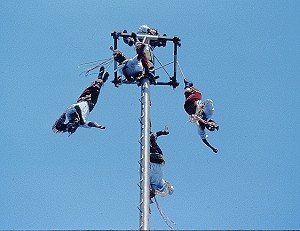
Mexico’s Danza de los Voladores – a photo-essay
One of the most spectacular dances in the country — la Danza de Los Voladores, literally the Dance of the Flyers — involves only five participants.In the old days, they first had to find a suitable tree, as far away from women as possible, and then beg its pardon prior to chopping it down (see […]
Did You Know? The Mexican Wave and unruly mobs
Defined as “a rippling wave effect that passes right around a stadium full of spectators, achieved when all the spectators in turn stand up with their arms raised and then sit down again with their arms lowered” (Chambers 21st Century Dictionary), the Mexican wave or La Ola is a cooperative, coordinated and spectacular sight that gained popularity […]
Travelling in Mexico City’s Zona Rosa
The Zona Rosa is located conveniently close to Mexico City’s Centro Histórico . It lies on the northern side of the famous Paseo de la Reforma (a long tree-lined street modeled after the Champs-Elysées with its many historic monuments and traffic circles, referred to here as glorietas. The Zona is also bordered by Chapultepec Avenue to the […]
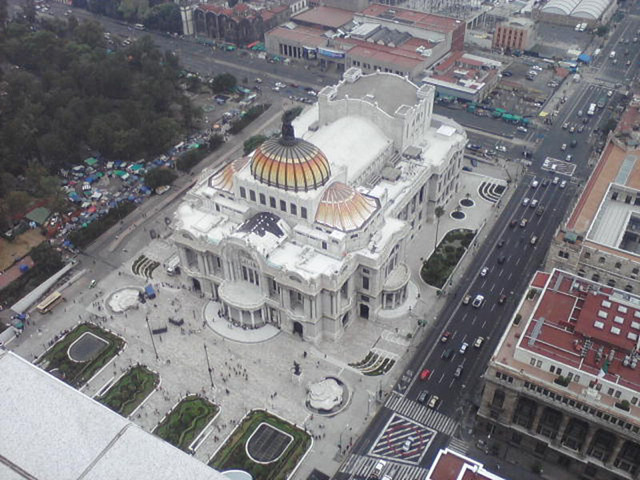
Mexico City: Urban deconstruction
With a population oscillating at around 20 million, streets jammed with cars, and buildings that range from sublime to ridiculous, it is hard to imagine that Mexico City was, for many years, a model of urban development and civility. The “City of Palaces,” as it was once known, was orderly and planned, with uniform building […]
Mexican chicken and fruit stew: Manchamanteles
Literally meaning “tablecloth stainers”, because of its deep red sauce, manchamanteles can be made with chicken, pork, or a combination of the two. In Puebla, where it originated, the fruit that is used varies from season to season and family to family, but plantains and pineapples are always included. Ingredients For the chicken: 2 chickens, cut into […]
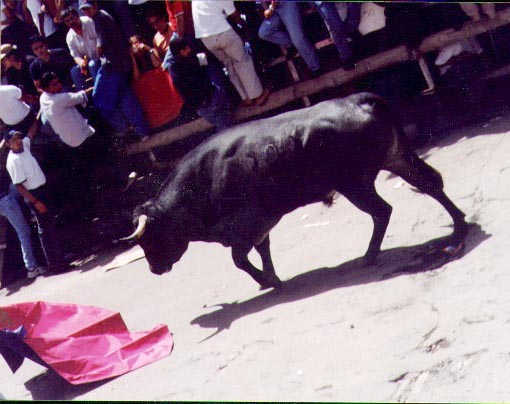
500 Kilos Of Furia – The Huamantlada of Huamantla, Tlaxcala
Huamantla, Tlaxcala – As the bull charged towards me I lost my footing and fell backwards. As I leaped off behind the wooden fence, the bull began to butt against the plywood. Once, twice, three times. I hold my breath. Every year in this town, on the first Saturday after August 15, 20 bulls are […]
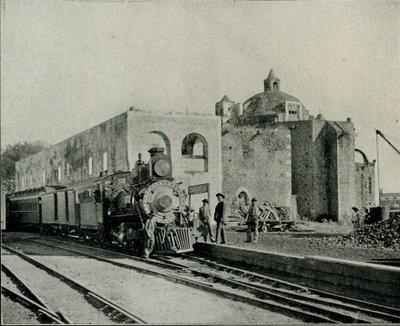
Did you know? Cuautla, Mexico, has the world’s oldest railway station building
In the golden age of steam, railway lines were built all over Mexico. Rail quickly became THE way to travel. Depending on your status and wealth, you could travel third class, second class or first class. Anyone desiring greater comfort and privacy could add their luxury carriage to a regular train. To avoid mixing with […]
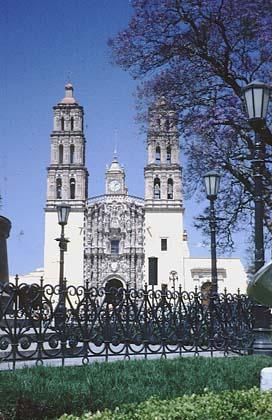
Dolores Hidalgo – a beautiful Mexican colonial city
Dolores Hidalgo Yesterday. . . On the night of September 15, 1810, Miguel Hidalgo y Costillo, the 57-year-old parish priest of Dolores, and Ignacio Allende learned that their plans for insurrection against Spain had been discovered. They decided to act immediately and soon after dawn the next morning, September 16, Padre Hidalgo delivered his now […]
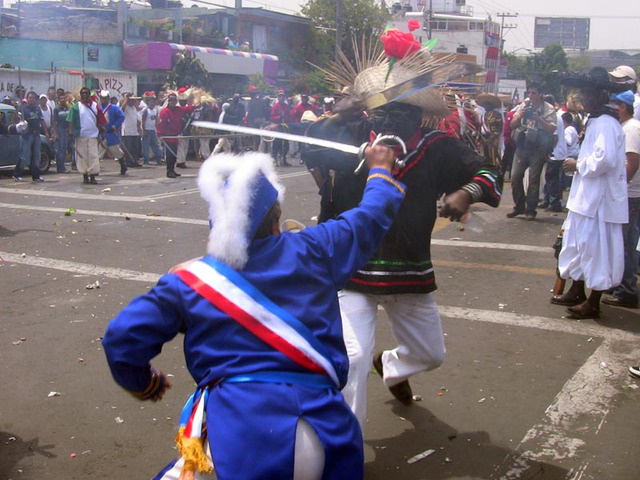
Cinco de Mayo: What is everybody celebrating?
There are Mexicans these days who have never attended a Cinco de Mayo celebration. The holiday has taken a back seat to the many saints’ days and other festivals. The growth of celebrations in the United States was initially triggered by a lawsuit from LULAC, the League of United Latin American Citizens, several decades ago, […]
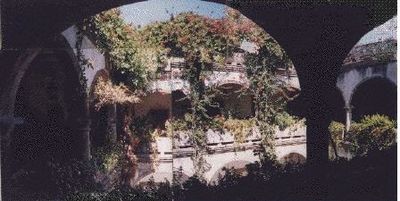
The beautiful Mexican colonial city of San Miguel de Allende
Yesterday. . . Founded in 1542 by Fray Juan de San Miguel, a Franciscan monk, San Miguel de Allende retains a rich colonial charm with its cobblestone streets and beautiful Spanish colonial mansions, many of which have been restored to their former splendor. It’s a protected national monument; all new construction must conform to the […]
Shrimp and nopal tacos: Tacos de camaron y nopalitos
The chunky salsa recipe that goes with these tacos makes more than necessary for the tacos, and is a delicious dip for totopos (fried tortilla triangles). I get asked for the recipe every time I serve it. Fresh nopales are abundant in the Bajío and are used to “extend” soups, stews, and taco fillings. Ingredients For the […]
On the road to becoming an authentic “poblano”
Located 60 km southeast of Mexico City about an hour and a half drive up a winding, but well-paved, highway from the international airport in the State of Puebla, Mexico is a town that more than time has forgotten. As someone who has spent the past twenty years in the travel business, I […]
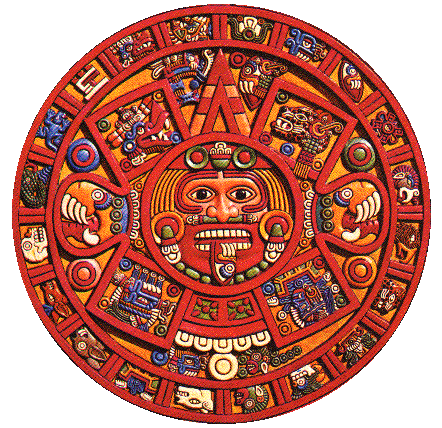
Mysteries of the Fifth Sun: the Aztec Calendar
-Valley of Anahuac, New Year’s Eve, 1507. Tenochtitlán, the great island city, capital of the Mexica empire, lies cloaked in darkness. An eerie silence pervades the vast ceremonial center — the Teocalli or Templo Mayor — spreading out over Moctezuma’s splendid palace, with its botanical gardens and well-stocked zoo, across the market places, canals, aqueducts, and within each of […]
A walking tour of historical Coyoacan
Walking through Coyoacan, I imagine how it must have looked in the early 1900s, when Frida Kahlo was born in the now-famous “Blue House.” At that time, Coyoacan was a small country town. Even though she and Diego Rivera shared a city home, they frequented her birthplace often, and it was here that she chose to spend […]
Dining in the DF: food and drink in Mexico’s capital
Last month’s column focused on the gastronomy of the Estado de Mexico, the state that nearly surrounds Mexico’s capital. This month, we’ll take a look at the myriad dining experiences to be had in the capital itself, Mexico City, commonly known as “el D.F.”, short for Distrito Federal. The city has been a center of migration […]
Spiced Lamb Steamed in Maguey Leaves: Mixiotes de Carnero
Mixiotes de carnero are a specialty of the central Mexican states of Puebla, Tlaxcala and Hidalgo. They are flavored with two of the most distinctively Mexican of leaves: avocado leaves, which are enclosed with the meat, and pencas de maguey – the inner layer of maguey leaves – used to wrap the meat. Mixiote wrappers- papel para mixiotes – may be used to wrap […]
Chicken in Peanut Sauce: Pollo Encacahuatado
Moles and other thick sauces made with nuts and seeds go best with chicken and pork. This recipe is from the town of Huauchinango, Puebla, set in a cloud forest not far from the Puebla-Veracruz border. It is a specialty of the small family restaurants in the area. Ingredients: 1 whole chicken, cut into serving […]
Candied walnuts: Nueces garapiñadas
Candied nuts are a favorite treat in Mexico, and may be made with walnuts, pecans, almonds or peanuts. Walnuts are most prevalent during the winter holiday season. This sweet is one of the things we can’t resist while walking around Cholula’s December fair, with its booths of candy, ornaments, and decorations of every description. Ingredients […]
Mexico’s wild mushrooms, gifts of the rainy season: Huitlacoche
Although rainy weather is an unpleasant thought, if not anathema, to those hoping for a little summer vacation sun-and-fun, the rainy season is one of my favorite times of the year here in central Mexico. Perhaps this is because there is such a long dry spell that by the time the rains come, they are […]
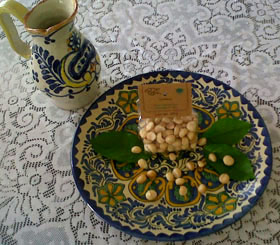
Mexican macadamia nuts: culinary gold
A recent trip to the cloud covered village of Cuetzalan, high in the Sierra of Puebla, generated more of the questions that arise on each visit. How does the regional dress of pure white cotton, worn daily, stay so clean in a place where it rains nearly every day? How do any vehicles get to […]
A journey to Leon, Guanajuato
Three friends and I headed out of Ajijic for a three-day getaway. Our ultimate destination was León, but we traveled the back roads and visited some delightful villages and cities. The area northeast of Guadalajara is called Los Altos de Jalisco, which encompasses a zone of expansive high plateau plains. The panoramic views of the […]
Single in Mexico and San Miguel de Allende revisited
I recently returned from a wonderful trip down memory lane. My 40th high school reunion near San Jose, California allowed me to reconnect with friends I hadn’t seen in 40 years. The reunion was held where my new grandson lives, and besides getting reacquainted with Tyler, I spent 3 days with life-long friends tramping through […]
Cholula: Traveling the Central High Plains of Mexico
On a huge hill, covered with weeds, small trees and debris, was built a church overlooking the city, the Sanctuary de los Remedies. It is a beautiful site, with the towered church silhouetted against the blue sky and the snow-capped peaks of Popocatepetl and Ixtaccihuatl in the background. It was discovered that this was not […]
Morelos: land of culinary contrasts
The Mexican state of Morelos, although diminutive in size, boasts an impressively large cultural amalgam. Long before Europeans arrived and settled in Cuernavaca and Tepoztlan, now upscale resort areas, groups from many parts of Mexico found their way to this area of natural springs and a nearly perfect climate. The Olmec presence in Chalcatzingo in […]
Stalking The Wild Mushroom: An Ancient Mexican Culinary Tradition
One of the standard pieces of advice found in books and magazines on diet and nutrition is to “eat what’s in season.” Here in Mexico, that advice is easy to follow, simply because the available produce varies so much from the rainy season to the dry season. By early November, the variety of different colored […]
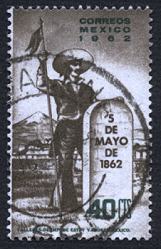
Cinco de Mayo is more widely celebrated in USA than Mexico
Of the many battles fought on Mexican soil in the nineteenth century, only one — the Battle of Puebla, fought on May 5, 1862 — has given rise to a Mexican day of national celebration. Why this one? The main reason is that the Battle of Puebla marks Mexico’s only major military success since independence […]
Did You Know? Birth control pills come from Mexican yams
The oral contraceptive pill, often referred to simply as “the Pill” was officially fifty years old on October 15, 2001. In the words of The Economist: it “was arguably the first lifestyle drug to control a normal bodily function – fertility – rather than a dread disorder. It transformed the lives of millions and helped reshape […]
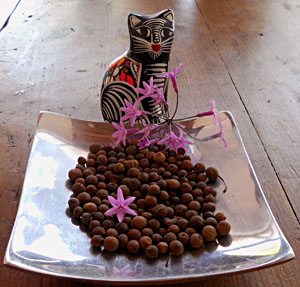
Fragrant, flavorful allspice: An essential Mexican seasoning
Recently, when a friend here in Cholula went up to Cuetzalan, in the Sierra of Puebla, I asked him to bring back some allspice, which proliferates there on evergreen trees that produce fat, fragrant berries. An indispensable ingredient in several adobos (the seasoning pastes used on meat, fish and fowl) and on many regional pipians (the seed-based […]
October in Actopan: Mexico’s National Mole Festival
One of the most popular of Mexico’s many fairs and festivals is the Festival del Mole, the National Mole Fair, held each October in the village of San Pedro Actópan, in the Milpa Alta delegation of the Federal District. This part of the D.F. is unlike any other, a mostly indigenous area with landscapes of rustic beauty which include […]
Chicken in almond mole: Pollo en mole almendrado
This recipe uses more almonds than most and eliminates the chocolate. It is a Oaxaca style, rather than a Puebla style, almendrado. 1 3-4 pound chicken, cut into serving pieces salt and pepper corn oil for sautéing 4 cloves garlic, peeled 1 medium onion, peeled, halved, and stuck with 2 whole cloves 1 piece cinnamon stick […]
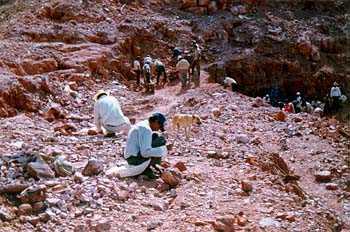
Mexican fire opals
Few gemstones evoke the excitement of a precious fire opal. The flashy show of this gem makes each specimen unique, a fountain of mystery, enchantment and legend. Some say that opals convey foresight and good health. No wonder that it is the October birth stone. Pre-historically, the Aztecs are said to have decorated their most […]
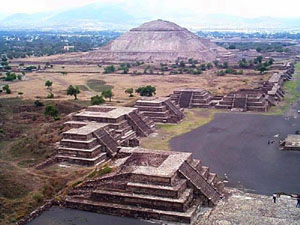
The great pyramids of Teotihuacan, Mexico: Place of the gods
We were lucky: we managed to visit the famous pyramids of Teotihuacan on a rare sunny winter’s day, when Mexico City’s air was clear and, from our bus, you could actually see the snow capped volcano of Popocatepetl some forty miles away. I should explain that it was Christmas Day, a time of year when […]