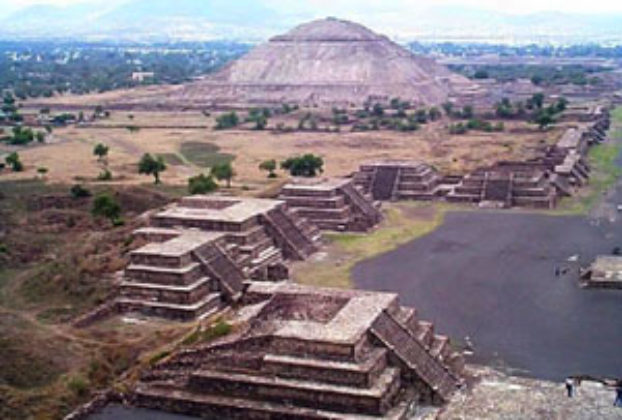
Panoramic view of Teotihuacan © Rick Meyer, 2001

Personal reminiscences of Mexico’s Huichol people IV: Ritual dance

Some years ago, my parents and I lived at Ana Capri between Tuxcueca and Mismaloya on the south shore of Lake Chapala. Ana Capri was built as a motel but never saw any business because of its difficult location, so we rented it from the owners. There I met Salvador Cardenas, the gardener and caretaker, […]

Continue Reading
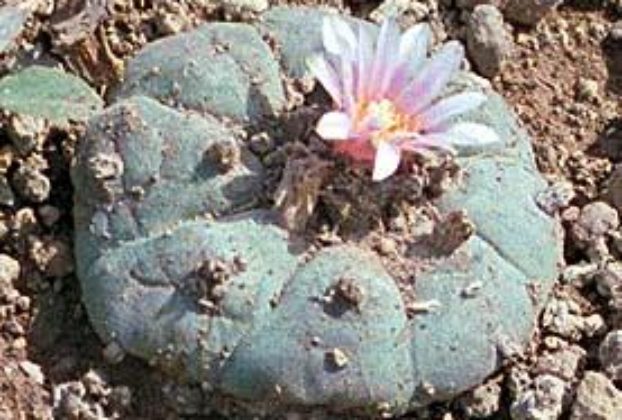
Each year the Huichol walk more than 300 miles to harvest peyote for use in 2000-year-old rituals and ceremonies.

Personal reminiscences of Mexico’s Huichol people V: Journey to the sierra

Some years ago, Huichol art became very popular and was being sold at fabulous prices at exclusive boutiques around the world. On one occasion I helped my Huichol friends Nacho and his son-in-law Juventino sell some large yarn paintings. Shortly afterwards I was invited to attend the annual peyote fiesta at Las Guayabas, Nacho’s home […]

Continue Reading
Huichol ceremonial throne, a kind of equipal

Personal reminiscences of Mexico’s Huichol people VI: Peyote Fiesta

The Huichol Peyote Fiesta takes place around the end of May or the beginning of June, the start of the traditional rainy season in Mexico. The main purpose is to assure that the rain gods return to refresh the earth and nourish the newly-sown crops of beans and maize. The Huichols are located in large […]

Continue Reading
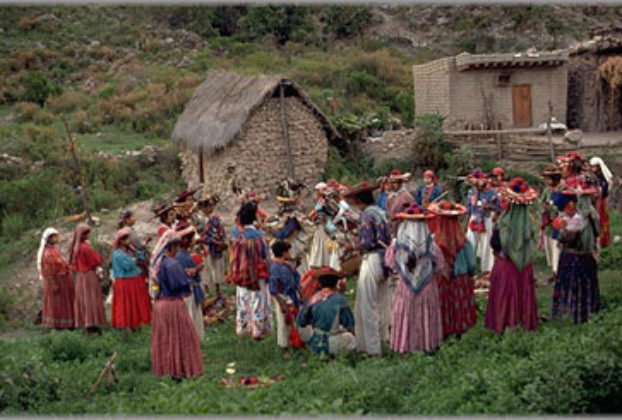
A Huichol village

Personal reminiscences of Mexico’s Huichol people VII: Return from the Huichol sierra

I don’t like flying; or rather it’s the going up and the coming down that bothers me most. Once I’m in the air and realize there is nothing I can do about it, I become quite philosophical about it all and try to forget my good friend John Hindmarsh, a skilled pilot, who for no […]

Continue Reading
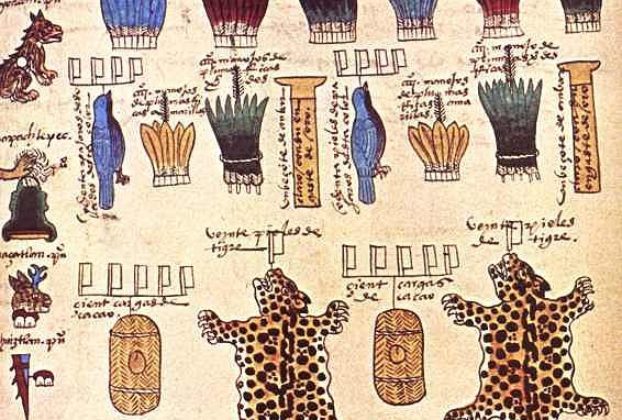
Tribute Page from the Codex Mendoza

Homer and the Aztec muse in Mexican literature

It seems that one can never take anything for granted in the academic world, at least because there is always someone somewhere waiting to contradict everything that has been said previously. This is especially true of revisionist history. Of course new evidence and different ways of interpreting the “facts” of history may justify revising standard […]

Continue Reading

Was the Aztec’s Nahuatl literature a Spanish invention? Translation and evangelism

Like Saint Augustine in the 5th century we all know what time is until somebody asks us to define it exactly. Likewise, the idea of literature seems clear enough until we begin to ask people what they regard as literature. Is it Shakespeare, the Bible, the morning newspaper, or what? In a complex society such […]

Continue Reading
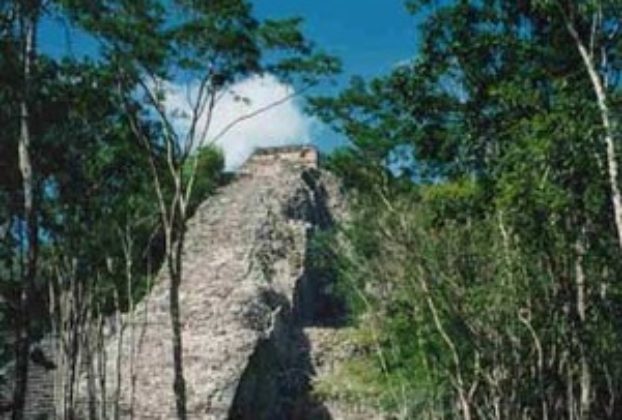
The archeological site of Coba in Yucatan was once a flourishing Maya city © Roger Cunningham, 2013

Mesoamerican epic poetry and saga: What is epic?

In Historia de la Literature Nahuatl (Mexico, D.F. 1971), the late Mexican scholar A. Garibay included a chapter entitled “Poesía Épica” (Epic Poetry) in which he gave a list of texts in Nahuatl (Classical Aztec) that he believed represented authentic Mesoamerican epic poetry and saga. Garibay was attacked on the grounds that he attempted to make the […]

Continue Reading