Was the Aztec’s Nahuatl literature a Spanish invention? Translation and evangelism

Like Saint Augustine in the 5th century we all know what time is until somebody asks us to define it exactly. Likewise, the idea of literature seems clear enough until we begin to ask people what they regard as literature. Is it Shakespeare, the Bible, the morning newspaper, or what? In a complex society such […]

Continue Reading
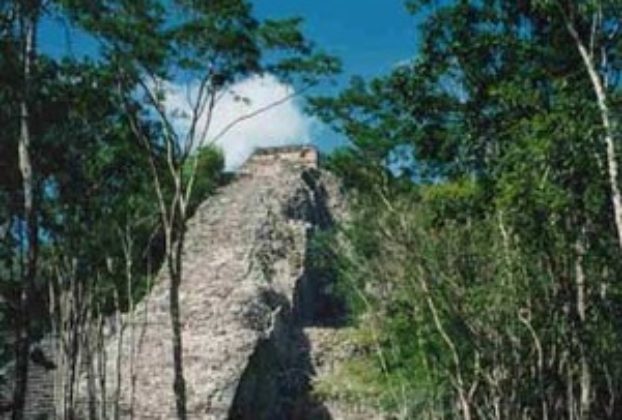
The archeological site of Coba in Yucatan was once a flourishing Maya city © Roger Cunningham, 2013

Mesoamerican epic poetry and saga: What is epic?

In Historia de la Literature Nahuatl (Mexico, D.F. 1971), the late Mexican scholar A. Garibay included a chapter entitled “Poesía Épica” (Epic Poetry) in which he gave a list of texts in Nahuatl (Classical Aztec) that he believed represented authentic Mesoamerican epic poetry and saga. Garibay was attacked on the grounds that he attempted to make the […]

Continue Reading
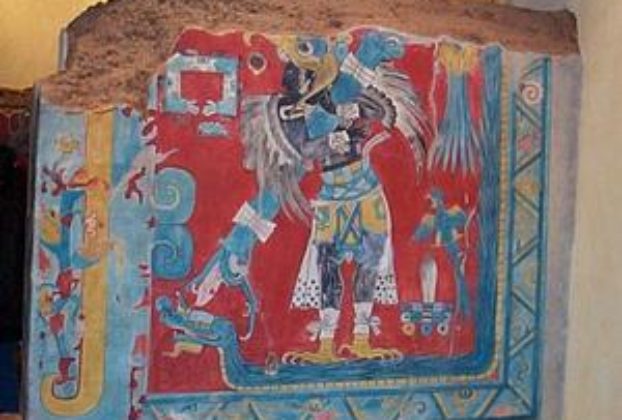
Aztec temples were brightly colored.

Translation, evangelism and Mexico’s classical Aztec literature

Several Mesoamerican researchers have recently cast doubt on the current interpretation of certain features of pre-Columbian cultures and their world outlook — in particular that of the Classical Aztecs and their literature. Revisionist history can represent an attempt to change an historical account for political or personal reasons. Or it can be a response to new […]

Continue Reading
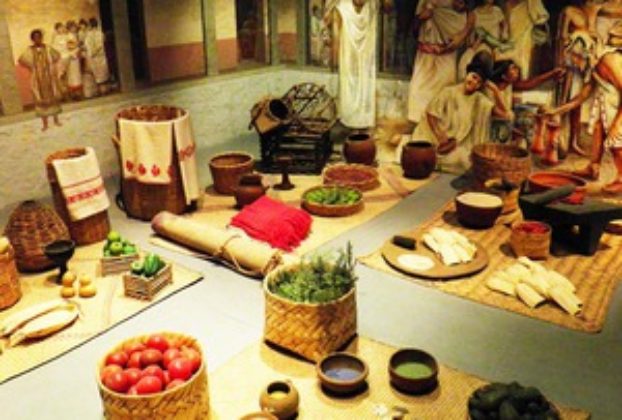
A Tenochtitlan market © Anthony Wright, 2013

Nahuatl Song-Poems

The Nahuatl language and culture of the Aztecs of central Mexico are among the best-documented sources of information we have for understanding the indigenous peoples of the Americas. Aztec society was abruptly interrupted and brought to an untimely end by the Spanish invasion and conquest of Mexico-Tenochtitlan in 1521. Nevertheless, it is from this very […]

Continue Reading
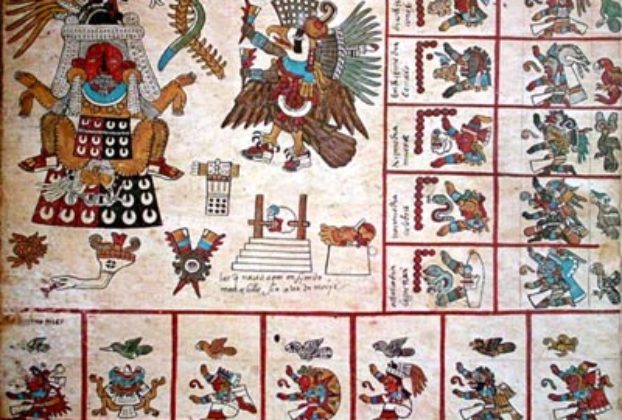
Original page 13 of the Codex Borbonicus, showing the 13th trecena of the Aztec sacred calendar. This 13th trecena was under the auspices of the goddess Tlazolteotl, who is shown on the upper left wearing a flayed skin, giving birth to Cinteotl. The 13 day-signs of this trecena, starting with 1 Earthquake, 2 Flint/Knife, 3 Rain, etc., are shown on the bottom row and the right column.

The codices of ancient and colonial Mexico

How do we really know what happened in ancient Mexico before the arrival of the Spaniards and the introduction of writing? Many articles and books have been written on the history of ancient Mexico from Prescott’s popular but biased Conquest of Mexico in 1521, to innumerable studies of the Aztecs, the Maya, and other indigenous folk in scholarly […]

Continue Reading