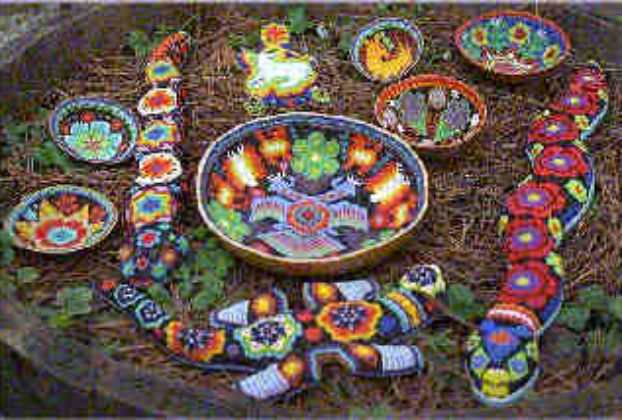
Huichol artwork: the ceremonial bowls

The ceremonial bowls or jícaras, as they are called, are made of gourds which are prized for their light weight and durability as water vessels and storage containers. The bowls hold visions and creative inspiration gathered from a deeply spiritual culture that motivates all people to celebrate life and create colorful and sacred objects of meticulous beauty […]

Continue Reading
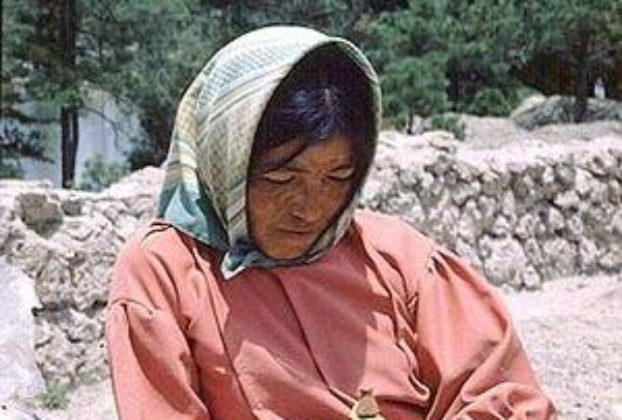
The state of Chihuahua, Mexico: resource page

Chihuahua is a land of magnificent scenery — mountains, canyons, deserts and fresh, clean, clear air. Its spectacular canyons are the biggest in North America. Within the canyons are beautiful waterfalls, one of which is the highest in Mexico. Chihuahua also contains fertile valleys — orchards and crop fields that were coaxed from the desert […]

Continue Reading
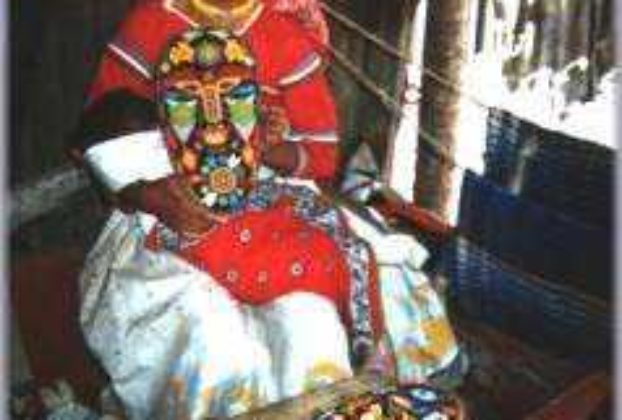
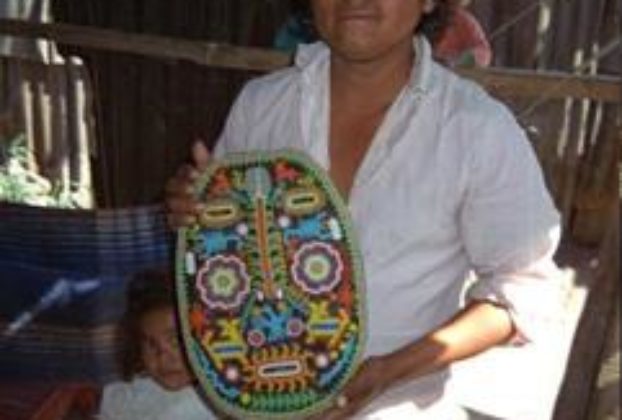
Huichol girl making a mask

Mexico’s Huichol resource page: their culture, symbolism, art

Descendants of the Aztec, the Huichol number about 18,000, most of whom live in the sierra of Jalisco and Nayarit. Having withstood the Spanish Invasion, they are still striving to keep their culture alive and viable, despite the ever increasing physical and cultural encroachment of their Mexican neighbors. Peyote is a focal point for their […]

Continue Reading

Are you related to the Aztecs?

For five centuries, North Americans have been fascinated and intrigued by stories of the magnificent Aztec Empire. This extensive Mesoamerican Empire was in its ascendancy during the late Fifteenth and early Sixteenth Centuries. The Aztec Empire of 1519 was the most powerful Mesoamerican kingdom of all time. This multi-ethnic, multi-lingual realm stretched for more than […]

Continue Reading
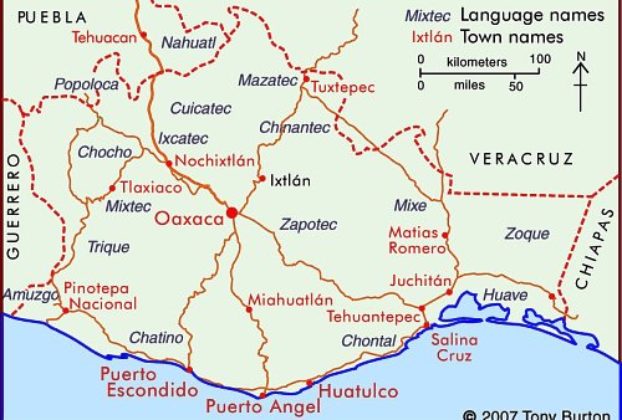
Oaxaca's indigenous groups (Interactive map)

Did you know? Oaxaca is the most culturally diverse state in Mexico

Did You Know…? The inter-census population count in Mexico in 2005 found that more than one million people in Oaxaca spoke at least one indigenous Indian language. Close behind came the state of Chiapas with about 950,000 indigenous language speakers. A previous Did You Know column looked at how the Mam people of Chiapas have […]

Continue Reading