
As I mounted my red, Honda SL 175 combination bike a cool drizzle sprinkled Mexico City. The city only had seven million inhabitants then, but still presented a puzzling maze my three week visit hadn’t deciphered. Today’s tourists complain about the lack of highway signs but there were even fewer in 1971. Two possible potholed roads led to the Gulf coast but, but I had no idea how to reach either of them.
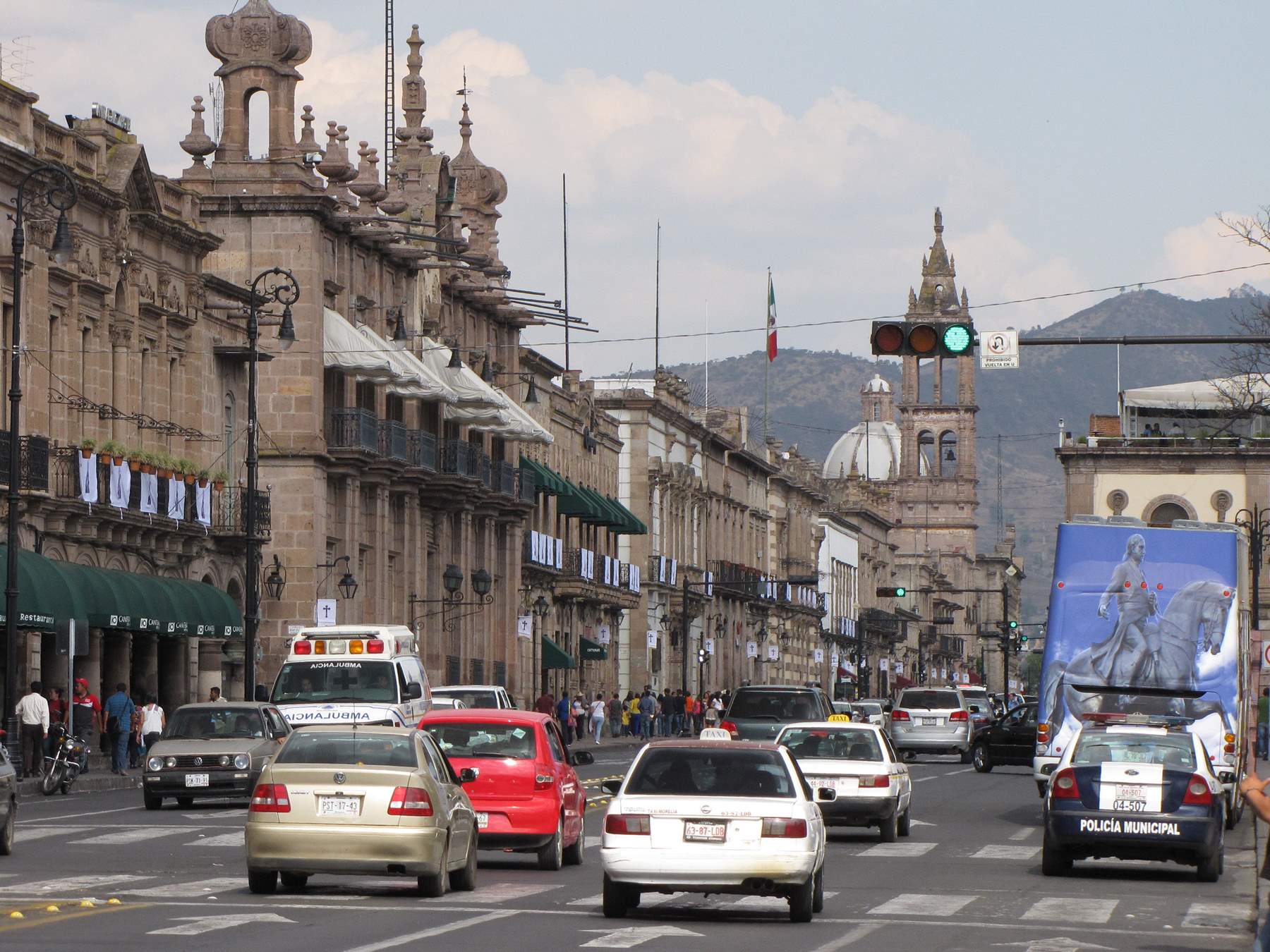
I rode Avenida Reforma and took a right where I had been instructed and hopefully headed northeast. Cars zipped by inches from me, spraying my legs with dirty water. At 7,400 feet above sea level, my heavy coat and Army ground cloth/poncho kept me warm. Mexico City ended like a curtain dropped in those days. One second, I was among low adobe houses and then empty, treeless vastness sprawling ahead.
The absolute last building stood far to the right within a gigantic gritty rock and dirt parking area. I crossed a morass of heavily laden three ton trucks and 1950s model autos to reach the combination mechanic shop, tire repair and trucker’s restaurant. Speaking little Spanish I dismounted and approached some guys in heavy, greasy ponchos. “Veracruz, Veracruz. ¿Dónde está Veracruz?”
Is this the right road?
They grinned and stared. After a moment of amazement over my fair skin they started repeating my poor pronunciation until they figured out what I had asked. The one missing two upper front teeth took my arm, and the four of us walked through the rain past the edge of the restaurant where we could see to the right. He pointed down a narrow broken ribbon of black asphalt that ran across the valley floor and disappeared into huge mountains miles down the highway. “Veracruz. Veracruz!”
I thanked the fellows, checked my bike and gear and mounted. It was mid-afternoon and I only possessed the simple map inside a three-year-old guide to Mexico. I didn’t see much sense in consulting it and headed down the road toward the high mountains as the rain fell harder. Few cars littered 1971 Mexican highways so virtually the only traffic was slow-moving trucks and buses belching diesel exhaust as they climbed.
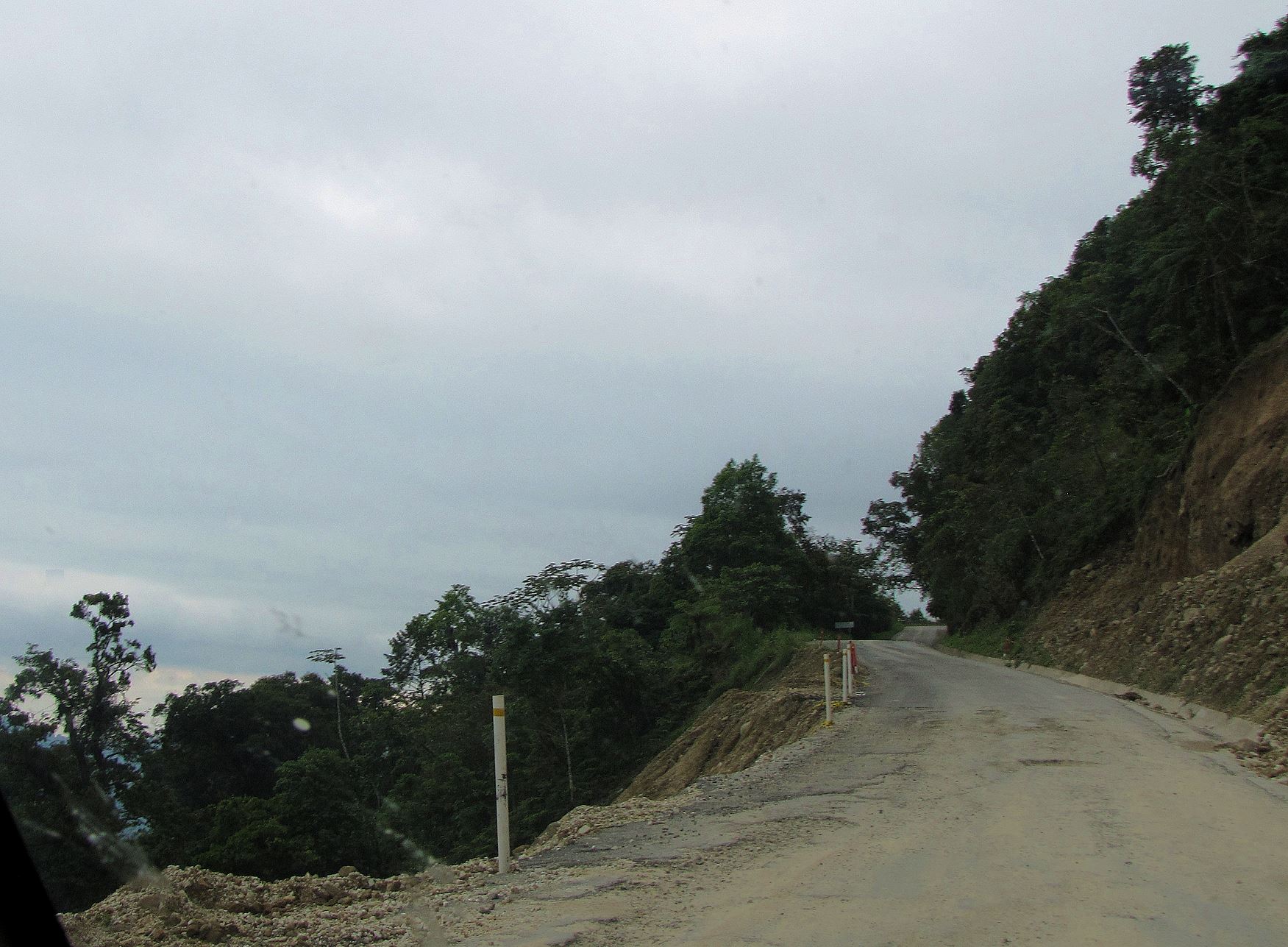
Somewhere up in the mountains, depending on elevation, fog or heavy mist filled the air despite the rain falling even harder. Mexico’s broken and potholed roads didn’t bother me even after pure blackness took the earth. The road crawled through the mountains at eight to ten thousand feet. No guard rails protected against a tire leaving the pavement and I felt sorry for the outside truckers squeezing by one another. I could glance over the edge and down three or four thousand feet. Sporadic lights indicated there was life in these high valleys. About ten o’clock no trucks passed heading west to Mexico City. Occasionally I caught and passed trucks lumbering east, but the road remained lonely.
The night remained cold and wet as I continued. About one in the morning I pulled up behind a long line of stalled traffic. Truckers spoke to me rapidly and kept pointing ahead and up. I couldn’t really understand what they were telling me. But, I could hear occasional rumbling in the distance I marked down to thunder. After a few moments I remounted and began passing the stalled trucks. Surprisingly the line stretched around curves for well over a mile. Finally, I reached the lead ten-ton truck and stopped. Their lights illuminated a muddy clear road. A good quarter mile ahead two caterpillar bulldozers pushed boulders over the mountain’s edge. I quickly made friends with the three guys driving the lead truck. I had, no we, have a problem. It wasn’t thunder I had been hearing over the bike engine.
Road blocked by rock falls
It’s three in the morning and I don’t speak the language. What’s worse – my lack of fluency isn’t the main problem. Drizzle cutting the fog does nothing to ease the anxiety-induced perspiration soaking the Mexican truckers and farmers crowded together on the narrow, serpentine road. Not a woman or child is to be seen. They’re huddled helplessly in truck cabs. Giant rocks echo, each cracking like individual lightning strikes across the shrouded mountains. Every man strains to see upward. Clack –clack – then more clacks in the distant night signaling huge stones coalescing into a cascade of gigantic rocks rumbling down mountainsides. The pungency of my fright-induced sweat might overwhelm their odors, but no one cares. We glance at the two thousand-foot drop-off, then up and down the road, before darting behind the nearest big rig once again.
The horrific sounds stop and a tangible stillness fills the night. We wait for our hearts to slow and our breathing to become normal. Then it’s relieved grins all around. Laughter and slaps on the back from my new buddies precede a great deal of rapid explanation. I don’t understand a single word, but the tenor carries the meaning. It’ll be ten or fifteen minutes —twenty if we’re lucky— before the next avalanche and we repeat our futile retreat. Each time, I laugh at myself for seeking safety behind a semi. There would be as much hope of damming the Mississippi with the rig as using it to stop those huge tumbling boulders.
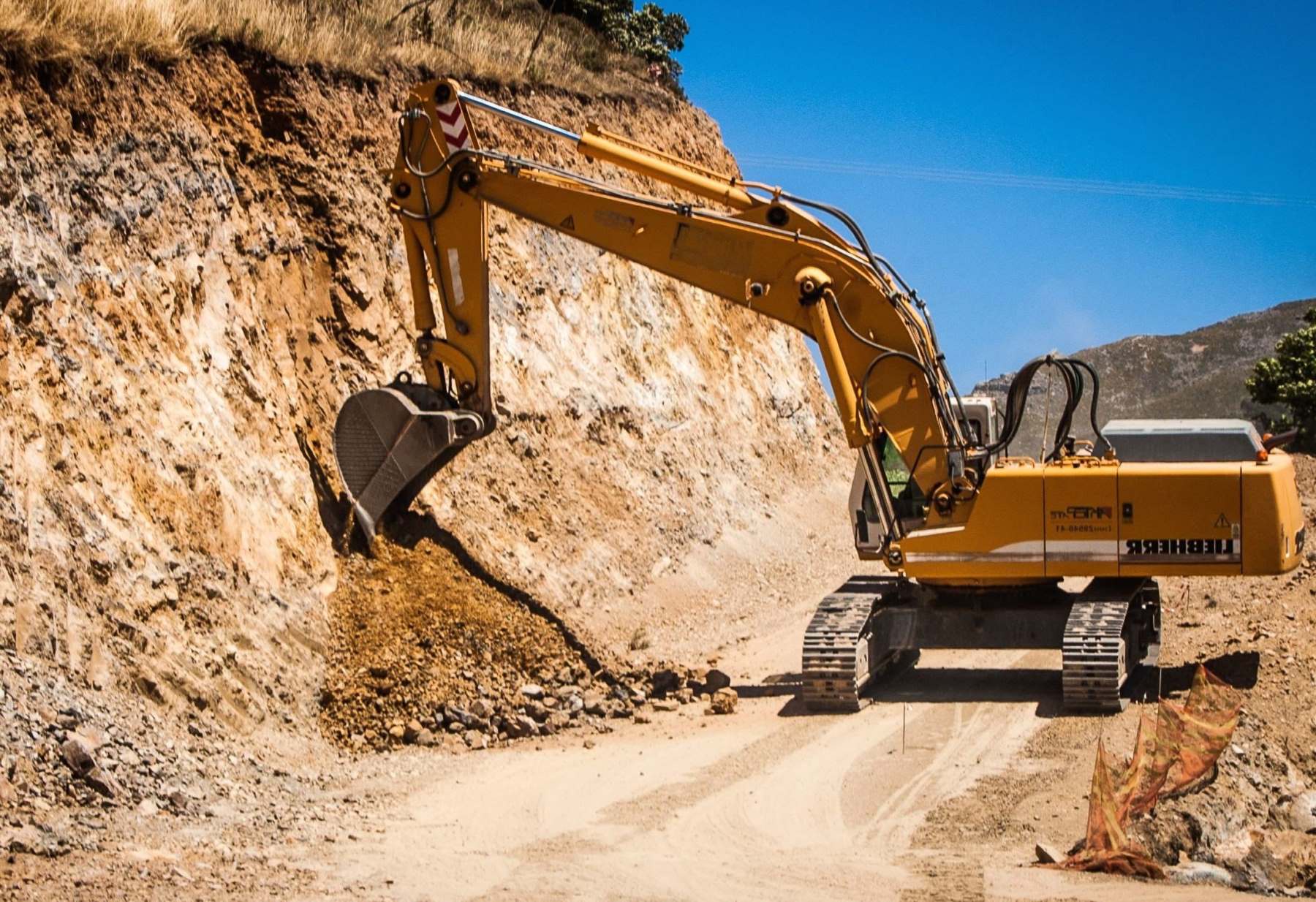
We made five or six attempts at running to the bulldozers but never got halfway before giant stones began tumbling again. Hearing the giant stones striking and the crashing of huge trees being ripped from the earth weakens the legs. After our last attempt the road suddenly opened. My new friends tugged my arm, pointed at the bike and with sign language and urgent Spanish made me know we had to move quick before the road closed again. They insisted I couldn’t make it through the mud on the motorcycle. They carried cement blocks and we quickly hoisted the bike on top, covered it with canvas and tied it down. Four of us fit snugly in the cab. I don’t know when I dropped off to sleep but at first light my companions woke me.
We were in the small oil town of Poza Rica. I’d never heard of Poza Rica but the sun was bright and there was no rain. They pointed, and I headed in the direction they sent me, wondering where in heck I was.
****
Motorcycle adventures in Mexico
I’ve traveled in Mexico almost every year since that first avalanche adventure. I discovered Poza Rica, near Papantala and the mysterious ruins of El Tajin are about three hours north of Veracruz City. It took a day to make that distance forty-four years ago. During subsequent trips, I never needed to take that route from the Gulf coast to Mexico City and it became a dim memory. Fifteen years ago I started taking that highway more often. It wasn’t the same primitive road. I figured the Mexican highway department used some of the old route and with better equipment just made a newer road. (They are now building a toll road that will cut between Poza Rica and Arco Norte going to Mexico City and the western cities.)
Five years ago I drove from Poza Rica to Arco Norte when in the middle of the mountain range all traffic was stopped. Highway workers were repairing a bridge ahead. Such stops are fairly common in Mexico and last a long time. Drivers exit their cars and talk with other folks stuck in line. While meeting people, one guy said he knew the old road around the blockage and did anyone want to go with him? I was the only one who decided to follow.
We backtracked about fifteen miles to an Indian town and turned off the highway riding through the pueblo. The road was primitive, without guardrails. In some places half a lane had crumbled and fallen thousands of feet below. We passed rushing waterfall after waterfall and climbed ever higher. I was back on the original 1971 road, perhaps 9,000 feet above sea level at times. The views were spectacular and beat anything I’ve enjoyed in the Sierra Madres or Rockies. I split from my companion and the roads became confusing. Signs indicated pueblos I’d never heard of down steep exit roads. At each choice I took the road that seemed most likely to go northwest. After half an hour of worried travel I reached the main road.
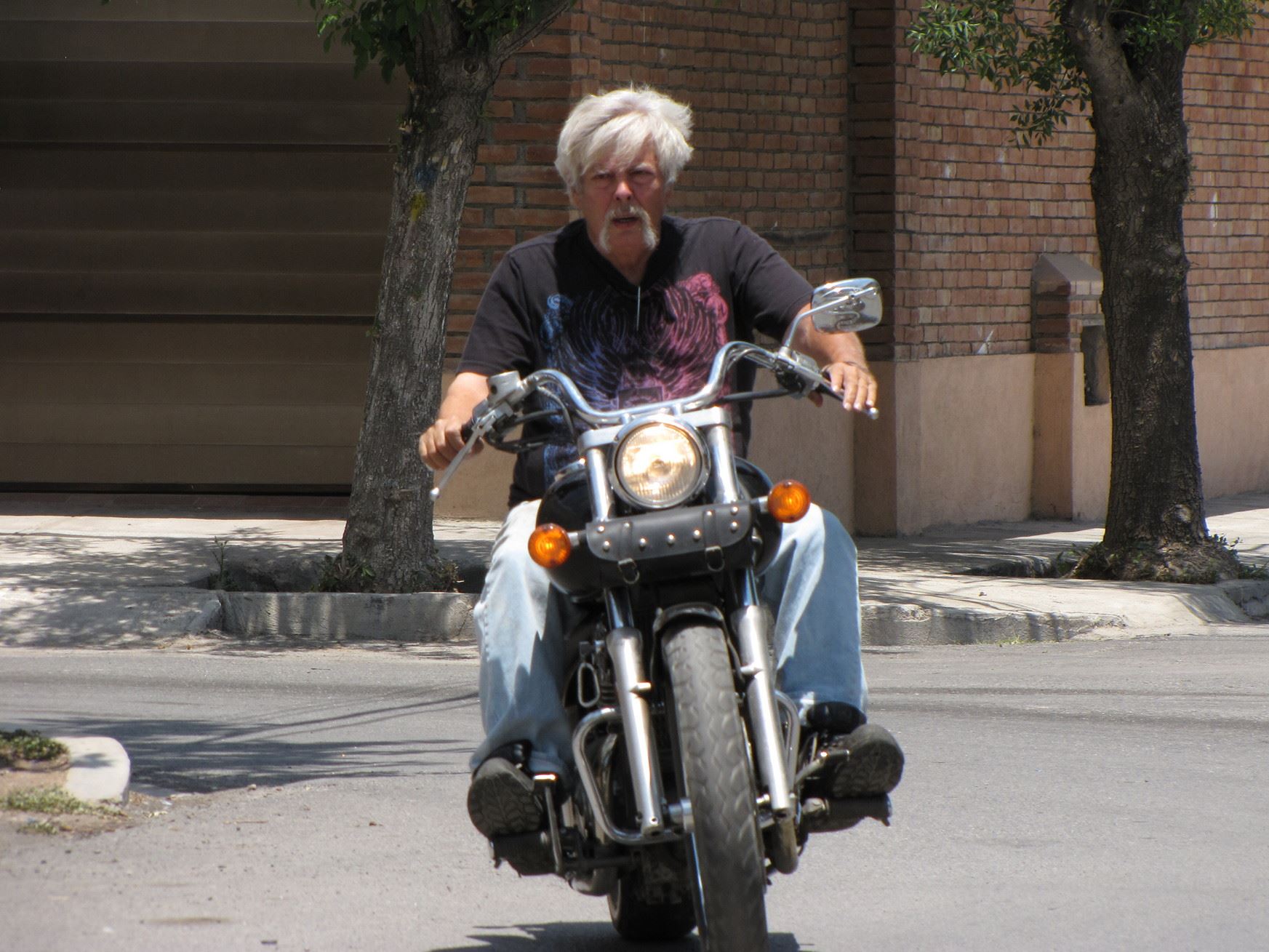
The sudden side trip was a great and unexpected present. I’ll return to that old forgotten road in the near future. For most it would be just an exciting and beautiful ride. However, I’ll need a day or two. I want to photograph the vistas and the villages that remain undisturbed by the modern world and take me back to the primitive Mexico I first knew from the back of a motorcycle.
The author’s book, Mexico by Motorcycle: An Adventure Story and Guide, has garnered numerous five-star reviews, been covered in several magazines, and recommended by expats who have resided in Mexico for years. Perhaps, the top compliment was from a reviewer who wrote, “This reads like a novel.”