Did you know? Los Mochis and Topolobampo are both examples of "new towns".
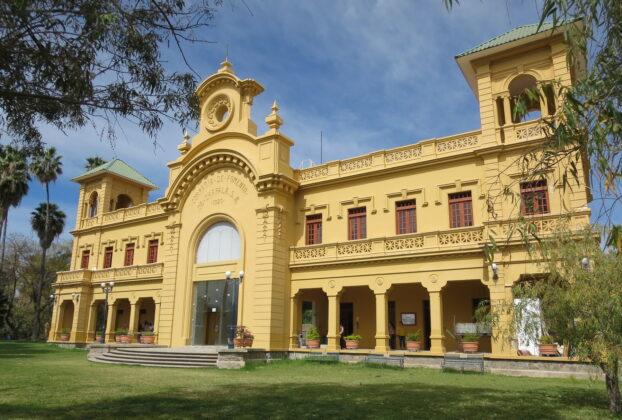
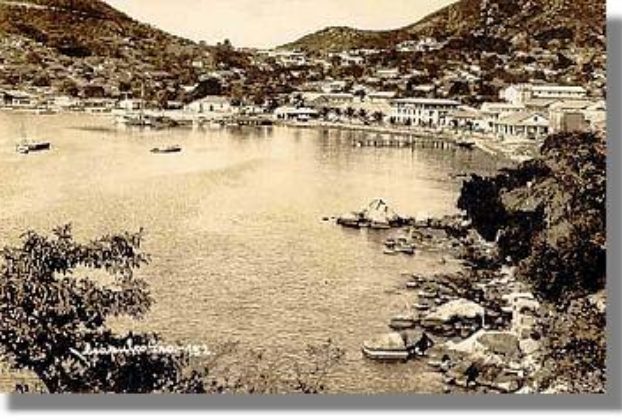
The city of Los Mochis ("Mochees", as locals call it) in the northern state of Sinaloa, is one of Mexico's newest cities. It dates back only as far as 1872, when a U.S. engineer, Albert Kimsey Owen (18...
read more
Pancho Villa: Hero or cold-blooded killer?
Image by John Hardman Web Page
During Christmas holidays, a college sophomore stumbled into a board game, "Pancho Villa, Dead or Alive."
He was surprised I had heard of Pancho but not...
read more
Did you know? Cuautla, Mexico, has the world's oldest railway station building.
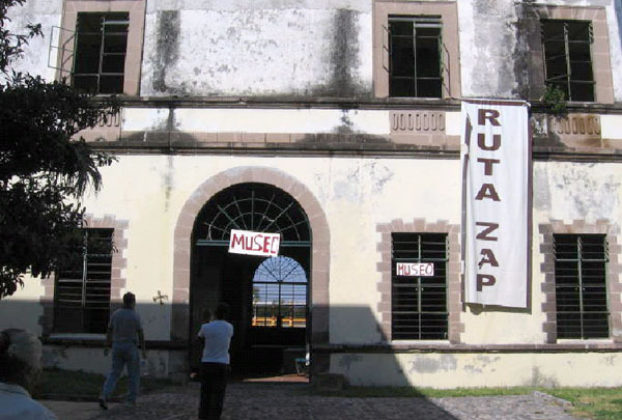
In the golden age of steam, railway lines were built all over Mexico. Rail quickly became THE way to travel. Depending on your status and wealth, you could travel third class, second class or first cla...
read more
Mexico's famous historical people - a chronological list of Mexican makers of history
This chronological listing of Mexico's famous and infamous historical figures puts you only a click away from reading more about their victories, lives and loves.
read more
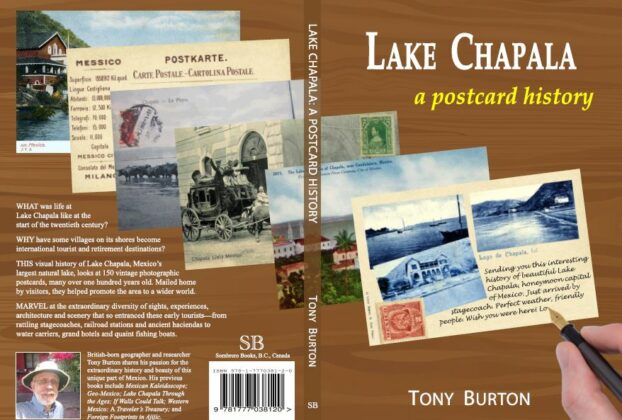
Lake Chapala through the ages, an anthology of travellers' tales
There is something for everybody in Tony Burton's, Lake Chapala through the ages. Whether you are fascinated by the early history of the place where you now live or visit (or would like to visit), or whether you are interested in early accounts of the natural history of the region, or of the lake itself.
read moreDiego Rivera's monumental stairway mural in Mexico's National Palace, Mexico City, D.F. (1)
The center arch of the wall contains the Mexican eagle holding a serpent that showed the end of the Aztecs' migration. Included on the current Mexican flag, the eagle also represents a resurgent Mexico...
read more
Did you know? 19th century Mexico map maker first sailor through the Georgia Strait, Canada
José María Narváez (1768-1840) is one of Mexico's forgotten heroes.
Captain George Vancouver is usually given the credit for exploring the Georgia Strait and discovering the site of the city that n...
read more
Reluctant revolutionary: the rocky road of Venustiano Carranza (1859–1920)
Few people have ever less fitted the conventional image of a revolutionary than Venustiano Carranza. He was a country squire rather than an intellectual, he had been part of a ruling establishment and ...
read more
Antonio Lopez de Santa Anna (1794–1876): master of chutzpah
In Norman Rosten's The Joys of Yiddish, the term "chutzpah" is defined as "gall, brazen nerve, effrontery, incredible 'guts'; presumption-plus-arrogance such as no other word ... can do justice to." As...
read more
Javier Mina (1789–1818)
While most of the leaders of Mexico's War of Independence were Mexican-born creoles, an exception was Francisco Javier Mina, whose name today appears on street signs and monuments throughout Mexico. Li...
read more
Bartolome de las Casas: father of liberation theology
Mention liberation theology and images that immediately come to mind are those of 1960s-style antiwar, anti-establishment priests like the Berrigan brothers or, more recently, Bishop Samuel Ruiz Garcí...
read more
Cuauhtemoc: winner in defeat (1495–1525)
One of history's recurring ironies is the spectacle of figures who die in defeat or disgrace, but emerge in future generations as heroes while the people who defeated them are downgraded to villains. M...
read more
Lerdo de Tejada: Jacobin to liberal elitist
Timothy Dwight, the fervently reactionary and comically pompous head of Yale University, was a strong Federalist supporter who predicted that the accession of Thomas Jefferson to the presidency would l...
read more
The Quetzalcoatl "Trinity"
It is entirely correct to think of the Aztec legend Quetzalcoatl in three contexts -- as historical personality, as divinity and as literary subject. In the first incarnation he is a 10th century pries...
read more
The remarkable life of Juana Inés de la Cruz (1651–1695)
On the surface, no two people ever appeared more dissimilar than John Stuart Mill and Juana Inés de la Cruz. One was a great rationalist, an apostle of individual liberty, an enemy of dogma and a beli...
read more
Usurper: the dark shadow of Victoriano Huerta (1845–1916)
(Synopsis & Photo)
Victoriano Huerta was a man almost too bad to be true. Described by one historian as an "Elizabethan villain," he was a drunkard and repressive dictator who guaranteed himself a...
read more
The other (and greater) Moctezuma I
In a curious irony of history, an epigone frequently becomes better known than his/her illustrious namesake and predecessor. Mention Harold Ickes and most people will think you're talking about Clinton...
read more
Lucas Alamán and the Mexican right (1792–1853)
(This is an expanded version of an article that appeared
in the October 18-24, 1997 issue of the COLONY REPORTER)
In 19th century Mexico, most of the intellectuals were firmly on th...
read more
The Mexican Revolution - consolidation (1920–40) part 3
The next step was to get rid of Calles, who had become increasingly critical of Cárdenas's radicalism. To pre-empt a coup by the former strong man, Cárdenas sent a party of twenty soldiers and eight ...
read more
The Mexican Revolution - consolidation (1920–40) part 2
His land reform policy reflected the same make-haste-slowly mentality. In his four years of power Obregón distributed three million acres among 624 villages -- hardly a staggering amount but still sev...
read more
The Mexican Revolution - consolidation (1920–40) part 1
Of the major figures in the 1910-20 phase of the Mexican Revolution, only Alvaro Obregón and Pancho Villa remained. In a strange twist of fate, the counterrevolutionaries --Porfirio Díaz and Victoria...
read more
Mexico's marxist guru: Vicente Lombardo Toledano (1894–1968)
It is no more possible to discuss Marxism in Mexico without referring to Vicente Lombardo Toledano than it is to reminisce about Abbott without mentioning Costello. A teacher, writer, union leader and ...
read more
Melchor Ocampo (1814–1861)
Among critics of the Roman Catholic Church in a country where a vast majority of the citizens are nominal Catholics, the charges most frequently heard are those of worldliness and hypocrisy. Anticleric...
read more