Huichol art, a matter of survival: Part Three
Huichol art is even more prolific today than it was during the years 1890 to 1898 when Carl Lumholtz, the Norwegian explorer and ethnographer, first visited the Huichol and recorded their symbolic and decorative art in such remarkable detail that we are able to make direct comparisons between Huichol art then and now. The major difference is that today Huichol artisans have a much greater variety of imported and commercial materials with which to work, but many traditional designs and functions have been preserved to the present day.
read more
Mexico's comparative arts through the ages
The following comparative time line provides an orientation to the roots, elements and development of the rich artistic heritage of Mexico.
The time line presentation allows for a sense of movement a...
read more
Huichol art, a matter of survival: Part Four
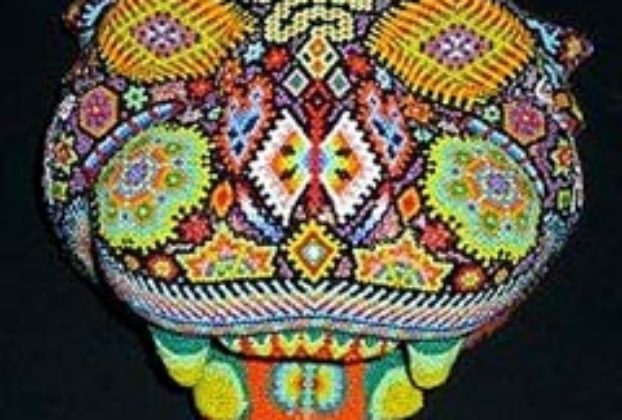
Huichol art has come a long way since Carl Lumholtz first recorded it in the late 19th century It is moving from a strictly religious function to a commercialized folk art. Some items of Huichol art are definitely non-traditional, such as beaded eggs intended for Christmas decorations; others, such as masks of the sun and moon, are borderline traditional. Beaded Jaguar heads are an important symbol in Mesoamerican religion and by no means confined to the Huichol. The bead and yarn paintings are becoming more and more complex, with some risk of becoming more decorative than symbolic or religious.
read more
The lurid artistry of the Mexican lobby card
According to collecting experts, Mexican lobby cards of U.S. films are rarer than U.S. lobby cards of the same since fewer of them were printed. They wallow in exploitation, indulging in as much sex and violence as their respective eras legally allowed. Vampires are vampires. Aliens are aliens. Babes are babes. Criminals are criminals. Abominable Snowmen are Abominable Snowmen. Krakatoa is still East of Java (even though it's west) and will remain that way for all eternity.
read more
Music, food fest, film and art visit Mazamitla
From July 16-18, Mazamitla hosts three days of music, art, gastronomy, film and more.
read more
Guadalupe in Zacatecas: masterpieces of colonial art
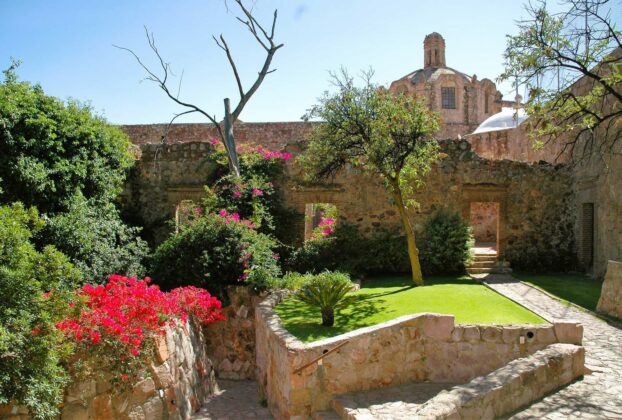
Guadalupe's real treasure is the magnificent Church of the Virgin of Guadalupe with its three chapels and a convent, home to Franciscan monks. Part of the convent has been turned into the Museo de Guadalupe. It is one of the largest collections of religious art in North America.
read more
A quest for hidden treasure in Chihuahua
You might say that it all began on an ordinary day in New York - the treasure hunt, that is. My 23 year old daughter Elise was just back from Spain where she had been teaching English to grade school s...
read more
Graffiti: the Estadio Azteca and Mexico City's new wave muralists
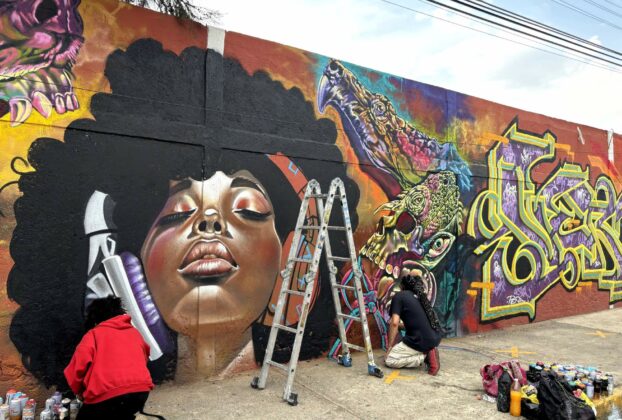
Increasingly here in Mexico's capital, the graffiti mural is coming to represent what some local experts feel is a new movement in mural art in the great tradition of early 20th century Mexican muralists such as Diego Rivera and David Siqueiros. Mexico City's largest sports stadium has allowed graffiti murals to adorn its many outer walls, entrance gates and car park enclosures.
read more
Theater in the Chapala lakeside: The Naked Stage
The Naked Stage, Ajijic's biting and sexy new minimalist theatre, had another successful reading in October — Moonlight and Magnolias. For those of you who missed it, it's a satirical swipe at the ma...
read more
Graffiti: Mexico City's wall art emerges from the shadows
In Mexico City, graffiti is a bit like prostitution. Nominally, it's illegal — carrying a $1,000 peso fine or a day in jail. But the rule of law doesn't seem to stand in the way of anyone with a can of spray paint inclined to deface a wall.
read more
Graffiti: the wry humor of Mexico City street stencil art
Most modern art aficionados know that if mysterious British artist Banksy didn't create the urban world's love affair with quirky riddles in stencil art on public walls, then he certainly spearheaded i...
read more
Fiona Dunnett: images of self and death in Oaxaca
Comic strips, a young Canadian's self portraits, and photographs of violent deaths in a Mexican daily newspaper, make strange bedfellows. But they constitute a major part of the driving force for the c...
read more